We have spent a few days at Great Keppel Island, catching our breath after our Swain Reefs adventure with buddy boat Thor. But the Great Barrier Reef beckoned again, this time closer inshore at the Capricorn & Bunker Group.
The Keppel Isles
We have mixed feelings about the Keppels, a lovely place for walks and socializing, but crowded and rarely offering comfortable anchorages in trade winds. They are also no longer the pearl they used to be for snorkeling, having suffered from too many bleaching events to recover. It was heartbreaking to see the state of these once gorgeous inner reefs.
Despite this, we enjoyed our time at Great Keppel Island, spending a few days at Wreck Bay then Svendsen’s Beach, meeting up with Åse and Mike for dinner on Thor to celebrate our return from our Swain Adventure. The next day, the four of us took a short walk and had lunch together on the island to wish each other ‘bon voyage’ for whatever comes next for them and for us.
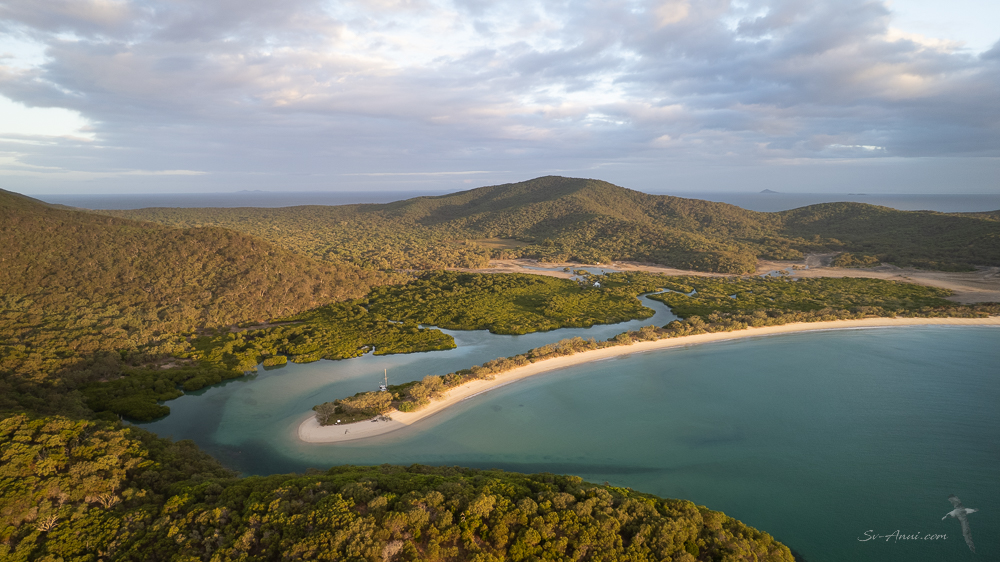
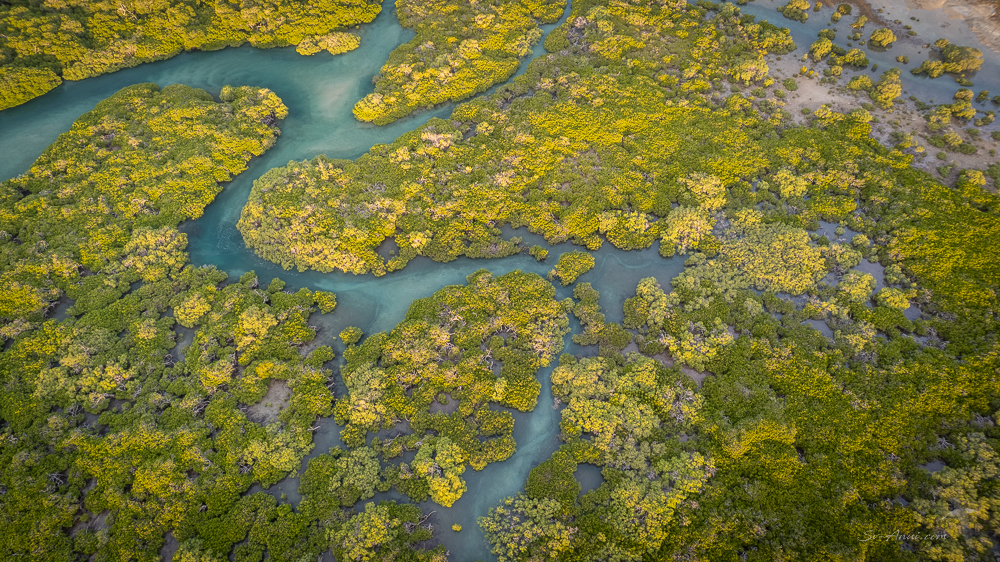
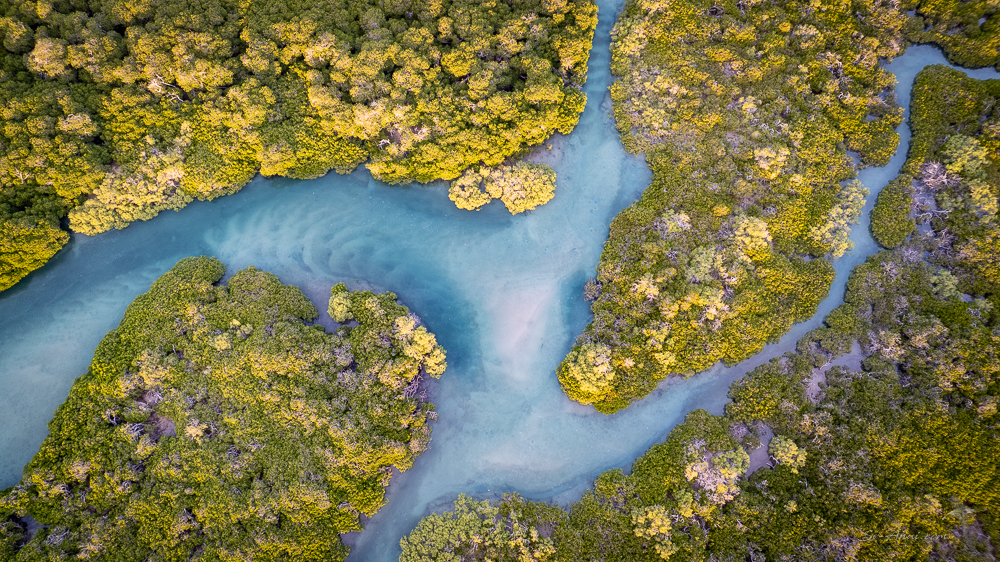
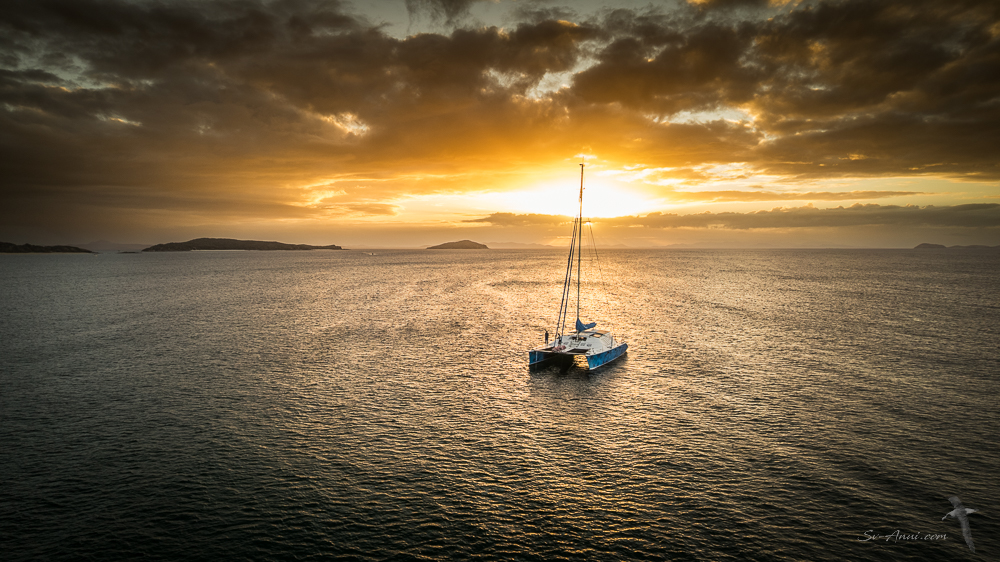
During our last evening at GKI the golden light and calm conditions enticed us aloft for some beautiful aerial photos of our anchorage, Leekes Beach and its tidal lagoon.

Capricorn & Bunker Group
With a few days of calm conditions returning, Anui headed south to the Capricorn & Bunker Group in the Southern Great Barrier Reef. Here is a map of the reef sites:
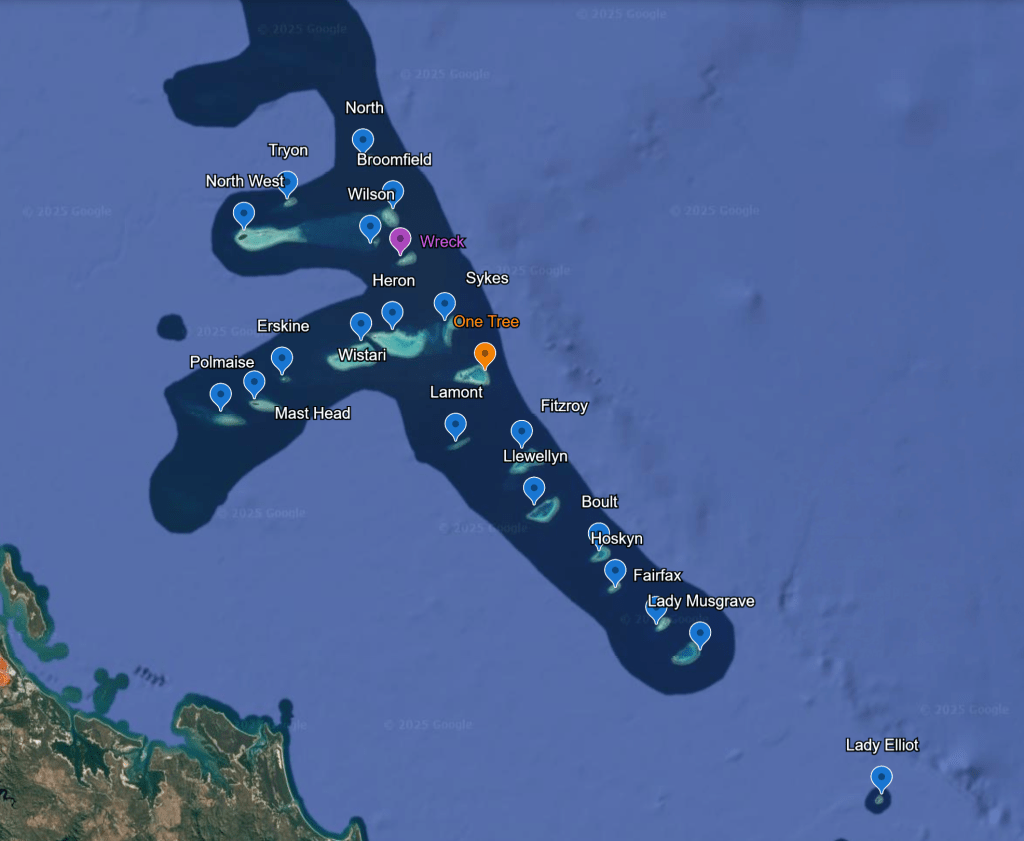
We wanted to check out a few familiar reefs. There has been so much damage with successive heat waves and bleaching events that we feared it might be just too sad to dive there. Would they still be worth a snorkel, or should we treat them as simply handy shelters on the way to or from more remote reefs?
We stopped overnight at Mast Head Island, Fitzroy Reef and Lady Musgrave. We were on our own on a public mooring at Mast Head, and anchored in a few meters of water at the other two, away from the crowds. As we were approaching both lagoons, we could see way too many vessels! There were a dozen boats at Fitzroy Reef, and 22 at Lady Musgrave. Chris quietly thought: “Great, we can go and anchor at our spot away from that lot”, while Wade thought: “Damn, we are too late to get a mooring.”
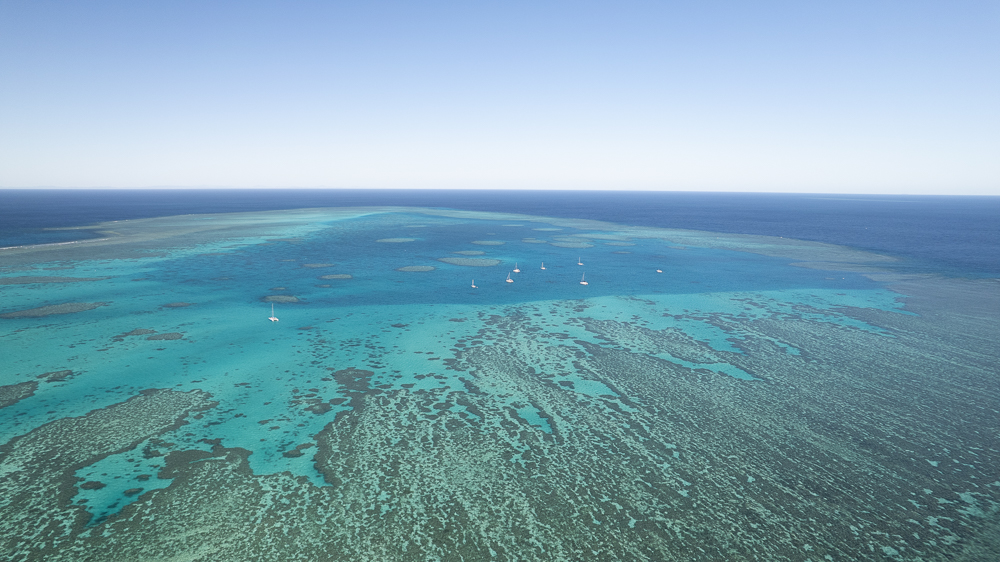
Here are a few aerials.
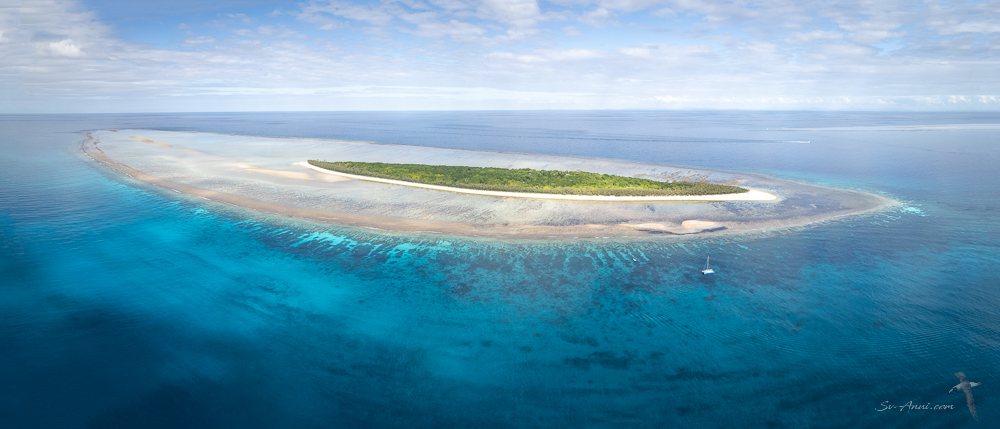
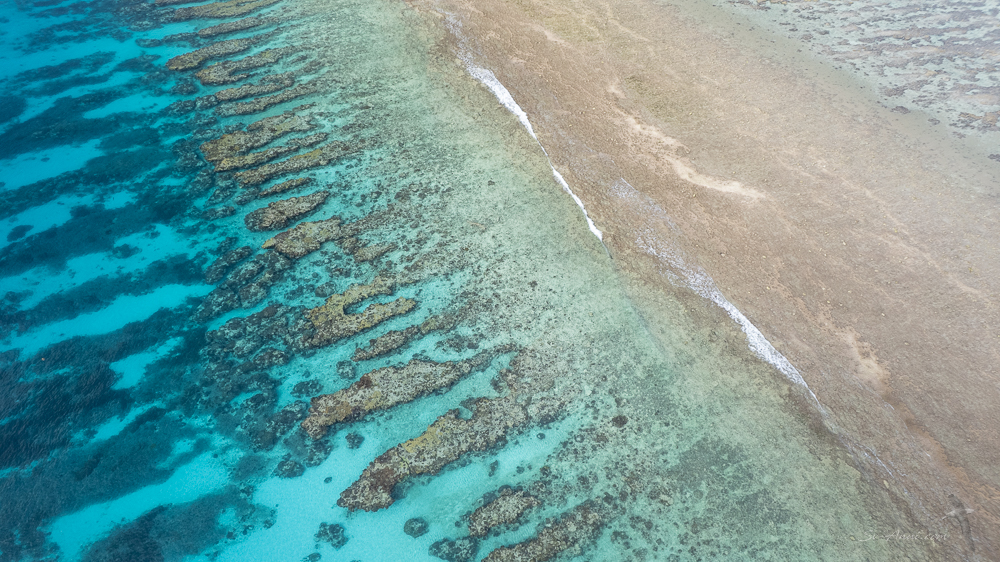

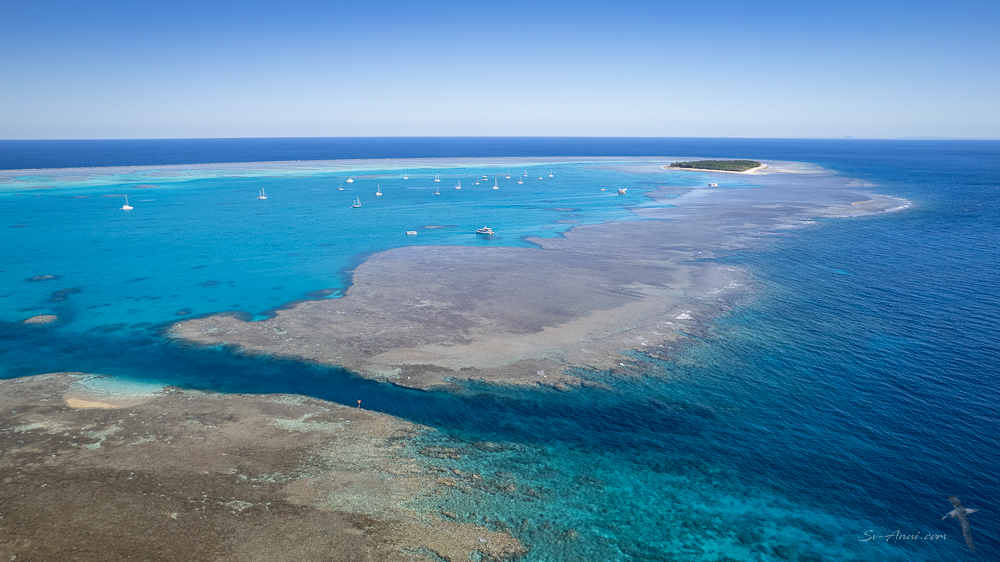
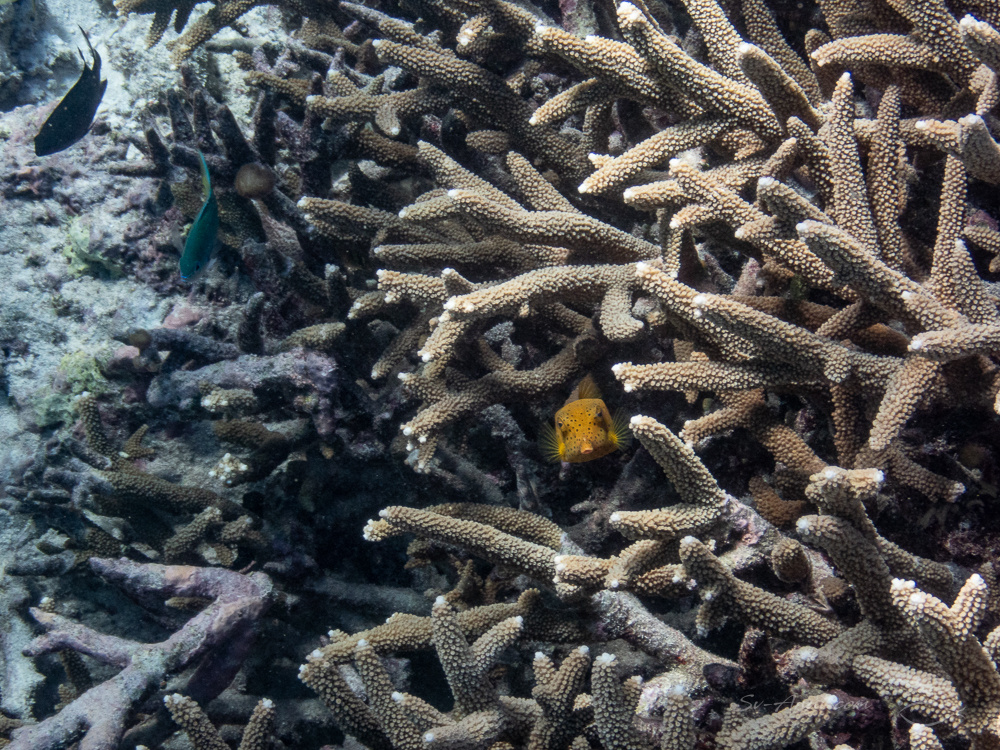
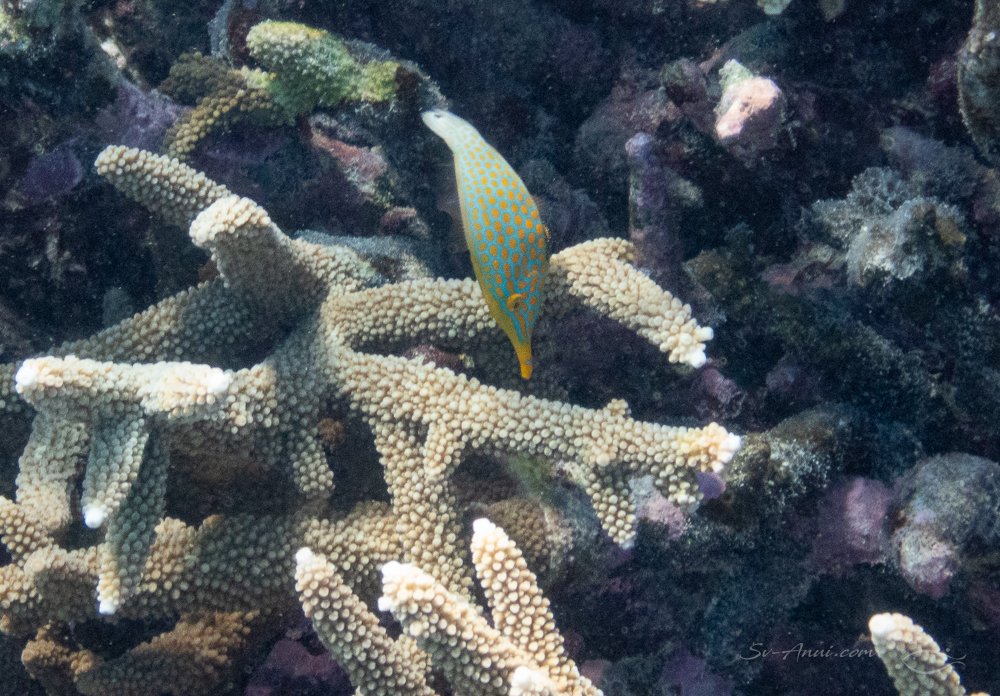
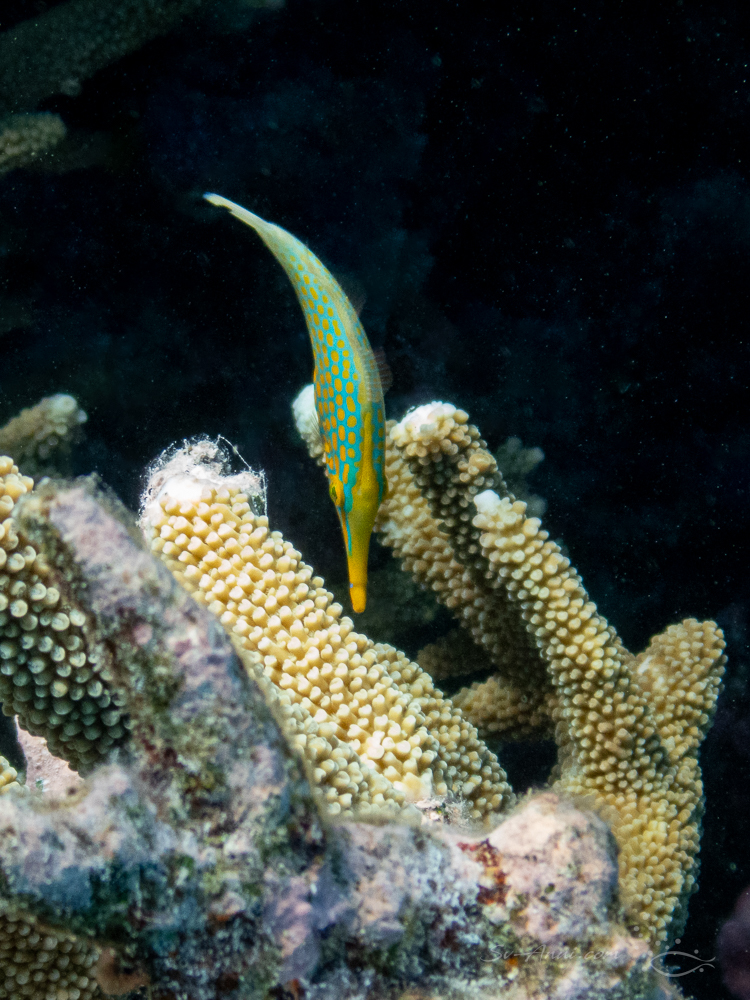
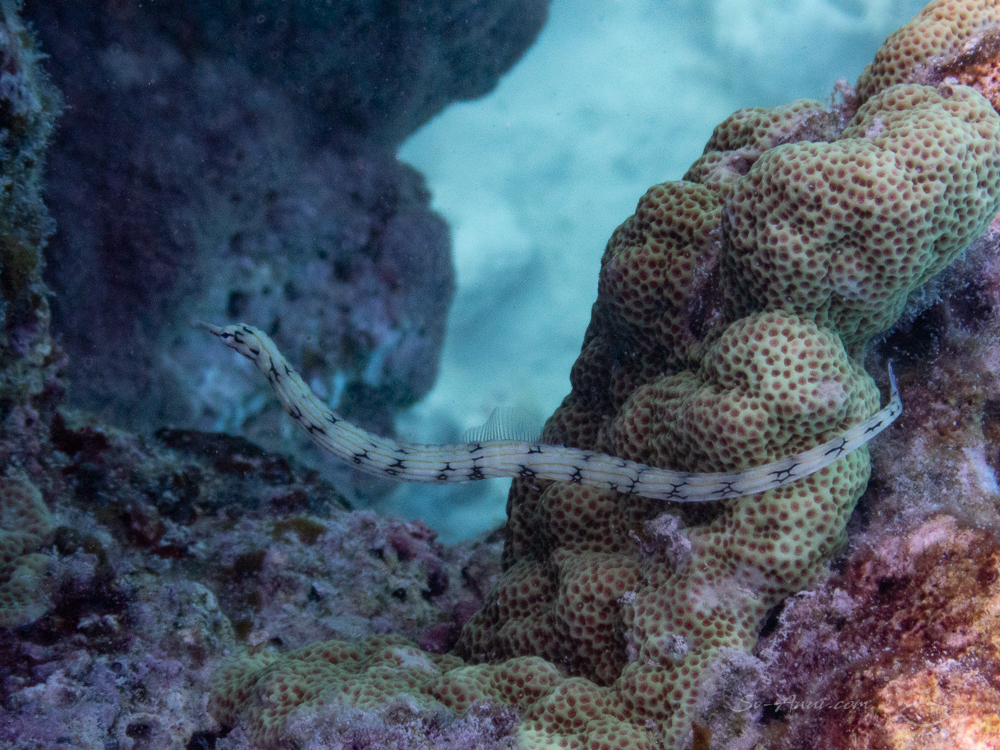
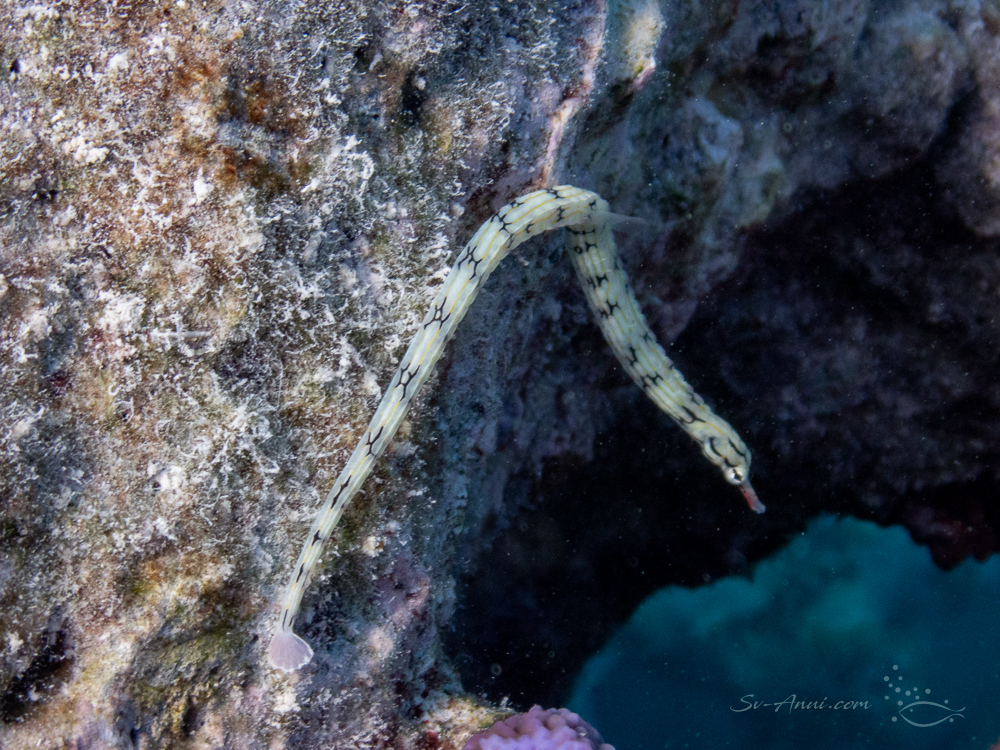
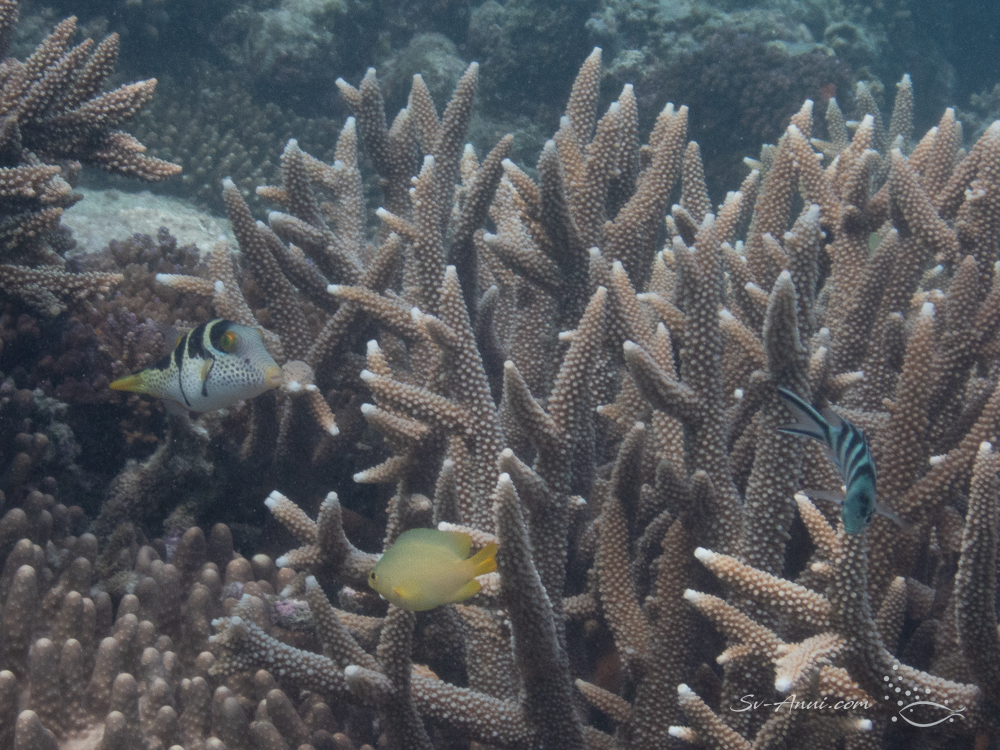
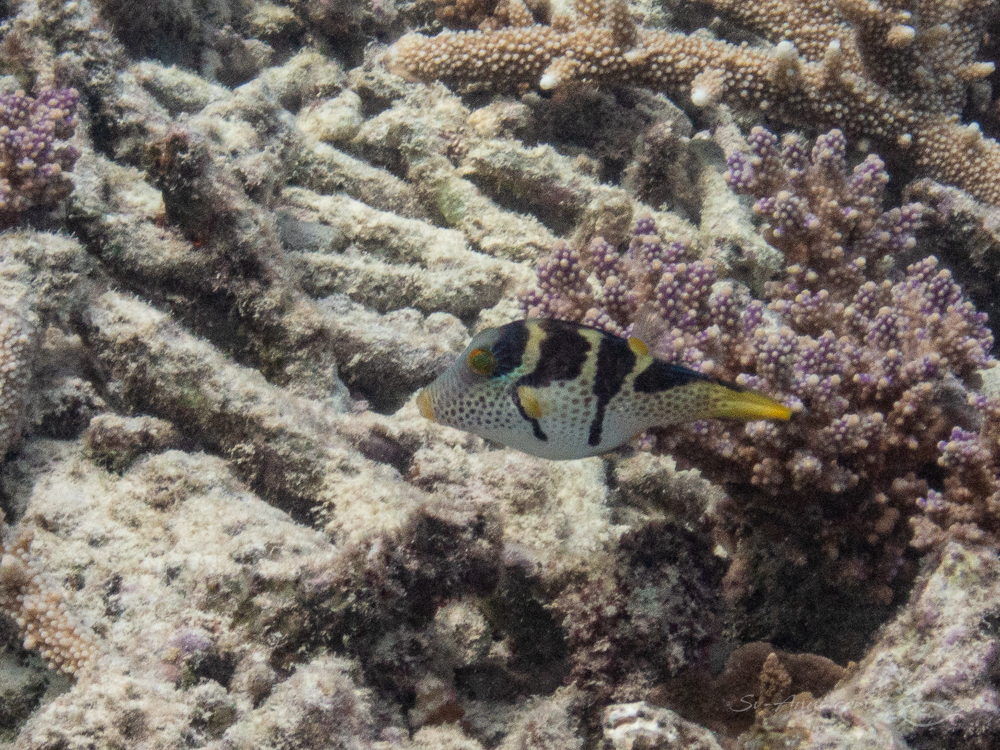
These reefs were ordinary in our view and you really had to focus on the ‘little critters’ rather than sweeping wide angle views that revealed the extent of the coral deterioration. As for spearing opportunities, they were non existent!
This gallery looks reasonable and showcases small fish we don’t often spot, but remember the camera is focused on these and conveniently ignores the rest!

Heron Reef
But one reef stood out and gave us hope: the Heron Reef. We stopped for the morning, picking up a public mooring at neighbouring Wistari Reef and dinghying over to the edge of Heron Reef, along the northwesterly edge (bottom left up to the entrance channel in the aerial).
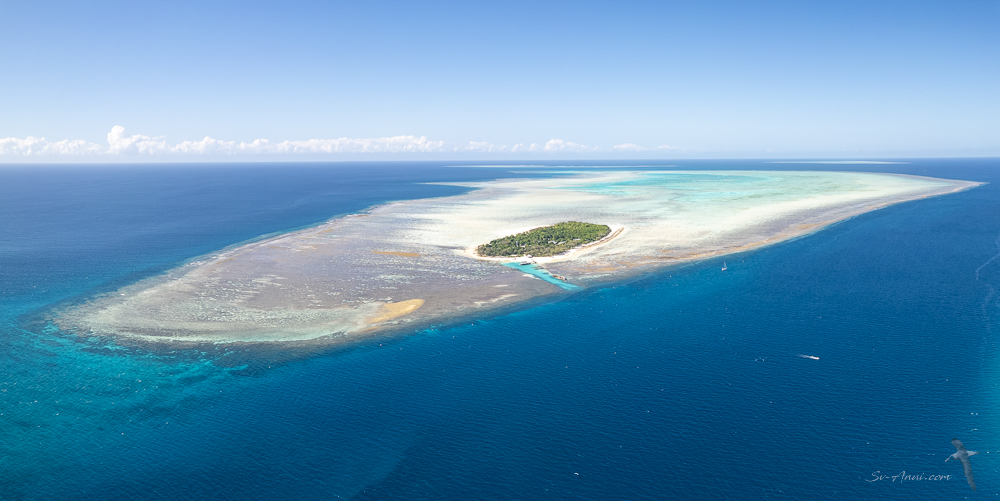
We did not intend to stay overnight, the anchorage at Wistari being exposed in strengthening northerlies. We arrived there at near low water, with a bit of tide running, so we opted for a drift dive, dinghy rope attached to Wade’s arm letting ourselves go with the gentle flow along the edge of the reef.
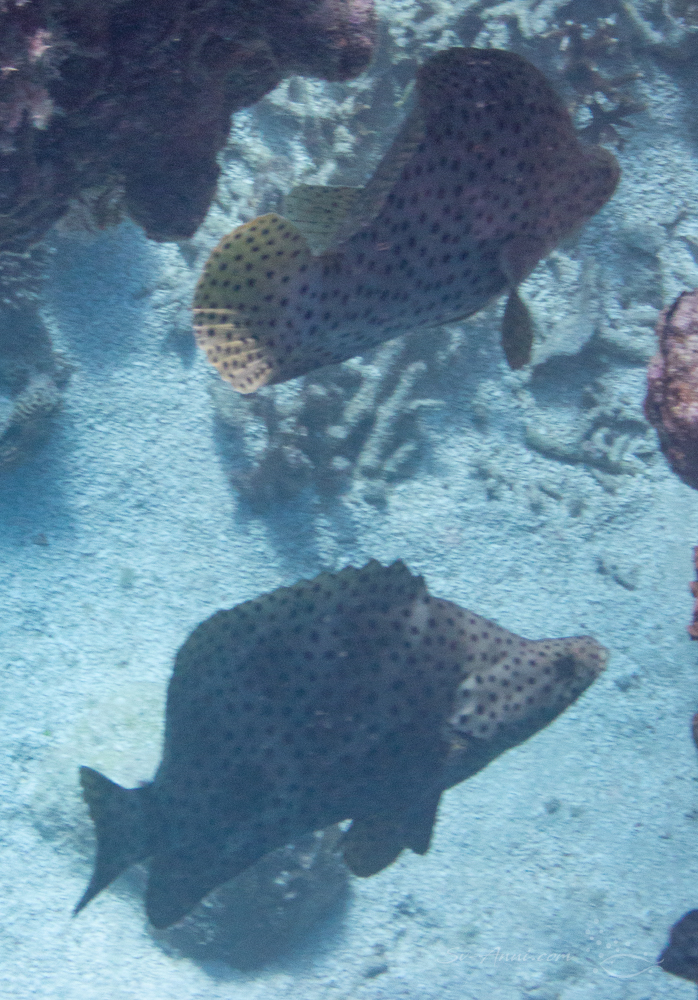
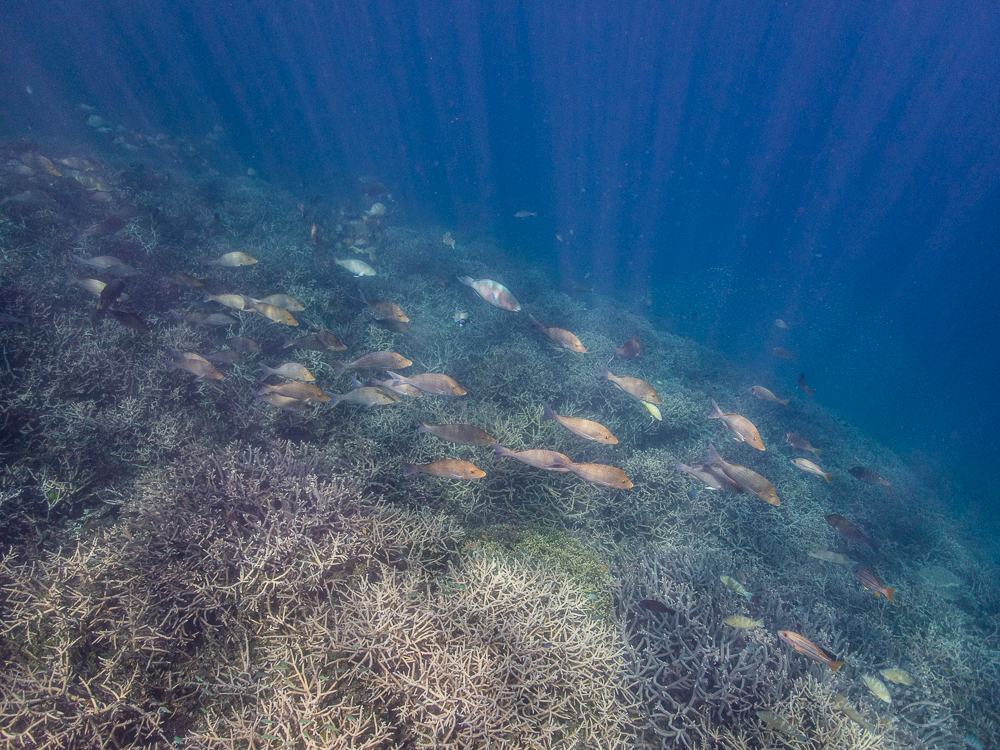
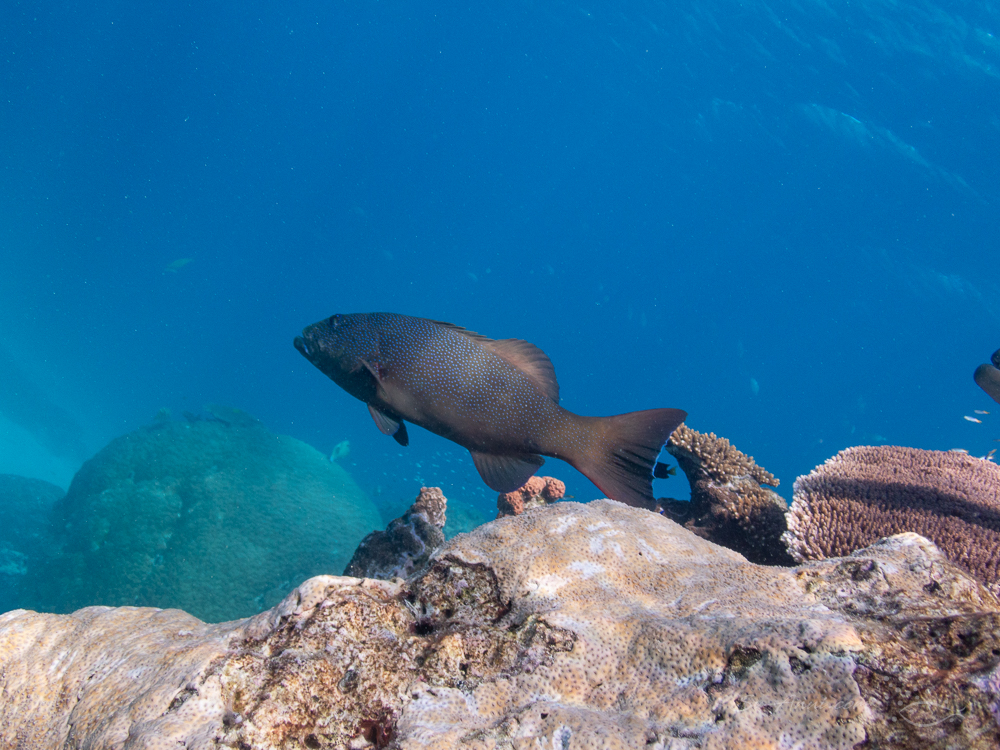
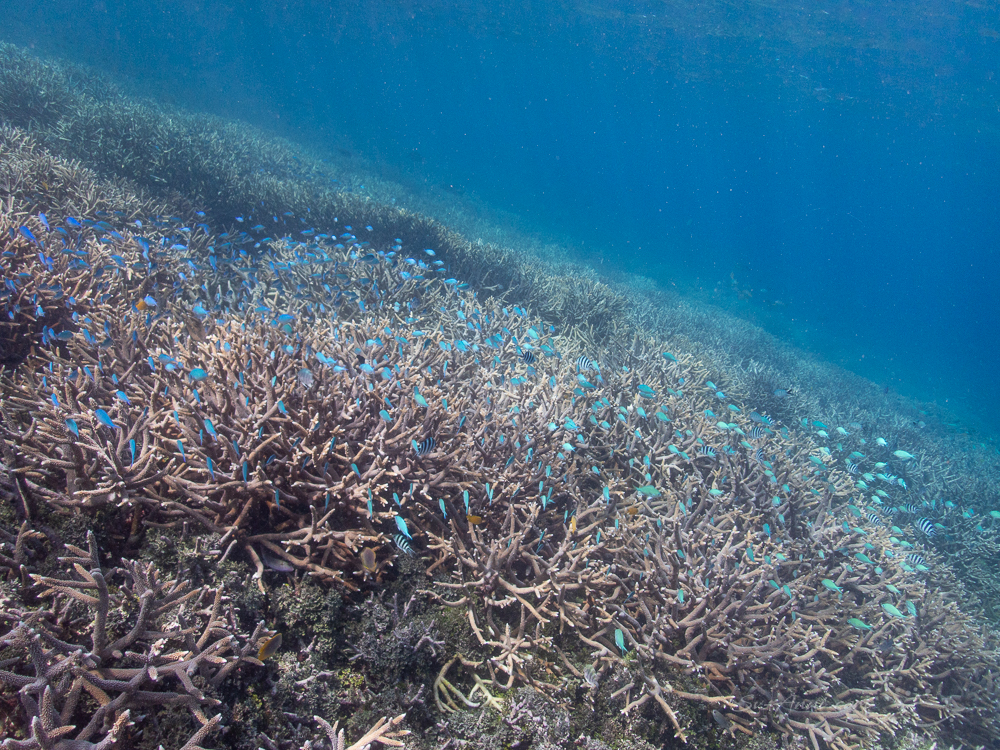
It’s the lazy way to survey the underwater magic. And what a sight: acres of healthy branching and plate Acropora as far as the eye could see, thousands of fish moving in small schools, so many big coral trout, emperors, batfish lurking behind boulders, green sea turtles grazing, none of these worried by our presence… Ah the green zones!
Never have we dived within half a meter of a coral trout, looking at us, not moving, convinced it was safe to just pose for the camera!
We were absolutely amazed by the conditions and thoroughly relished our time in the water. It was the best we have witnessed at the Southern Reefs for a very long time. And we only drifted along half of the length of that reef, leaving some discovery for next time. See for yourself!
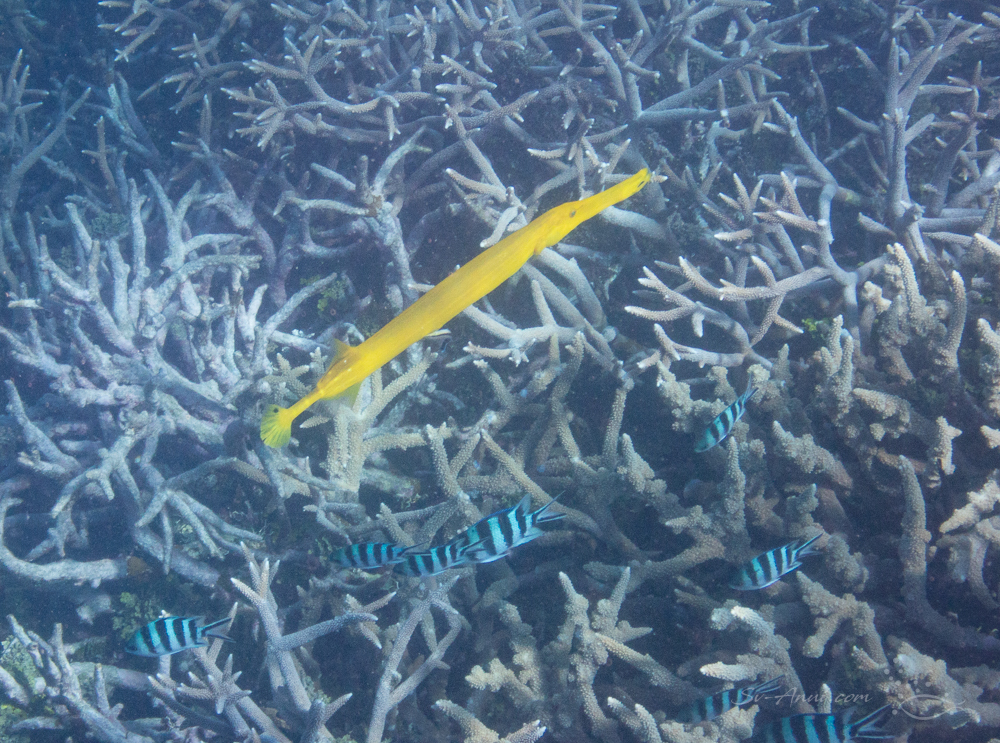
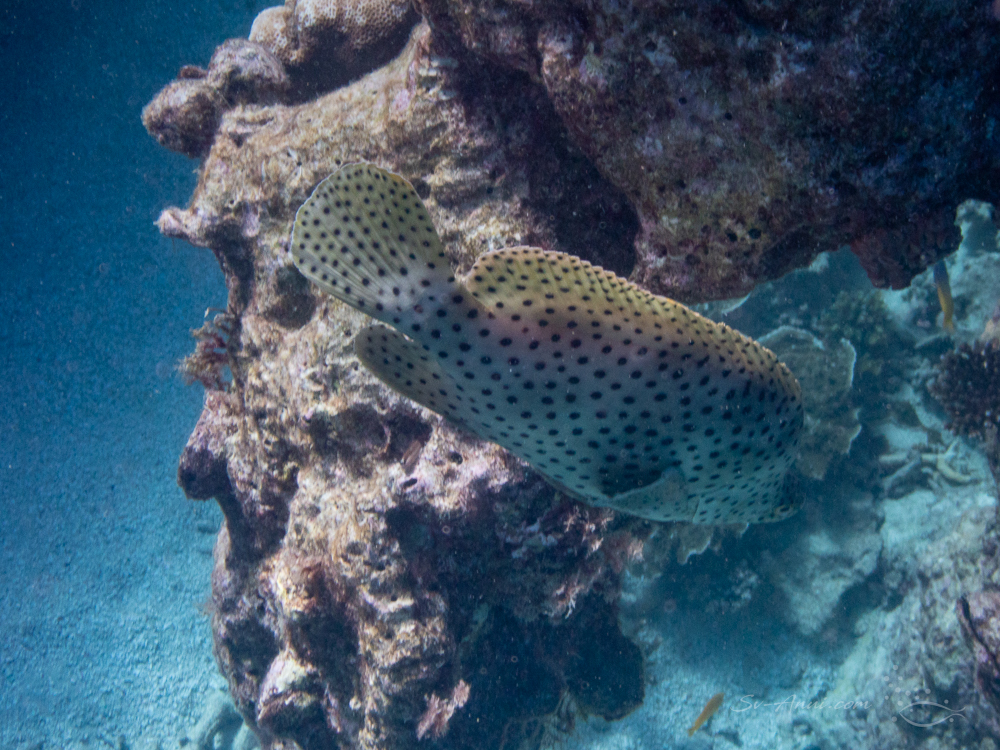
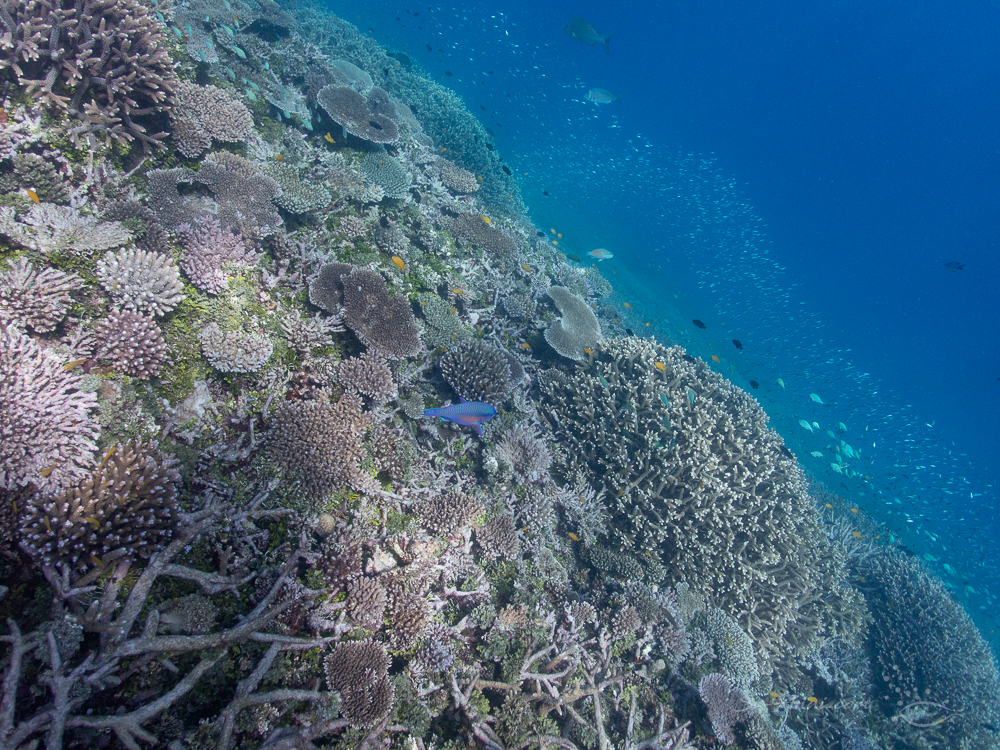
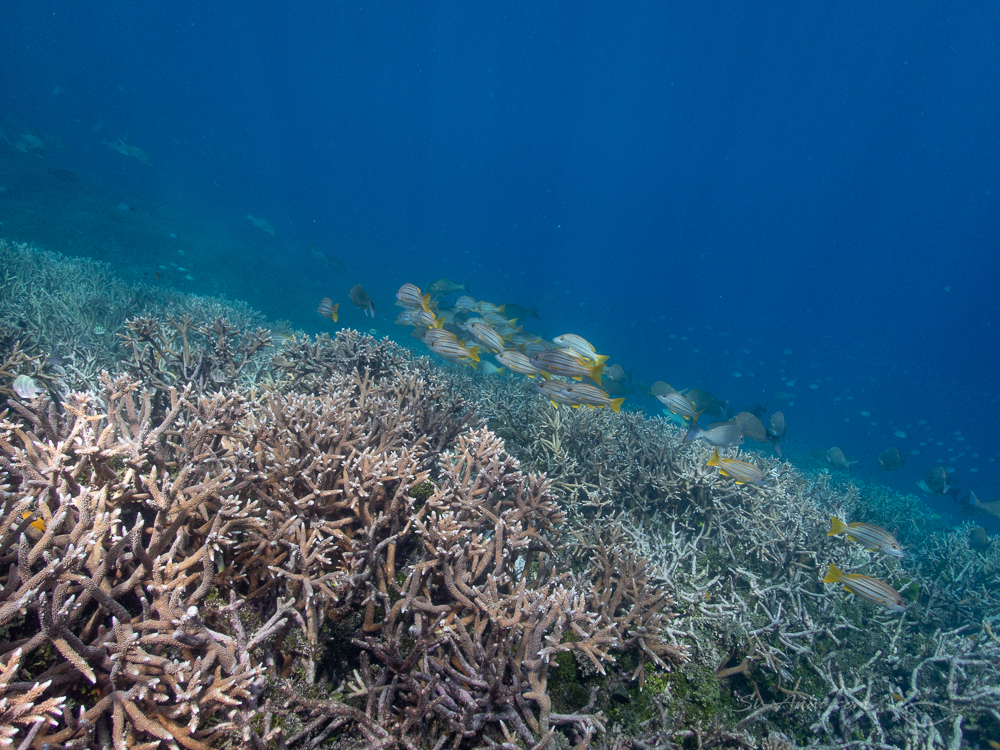
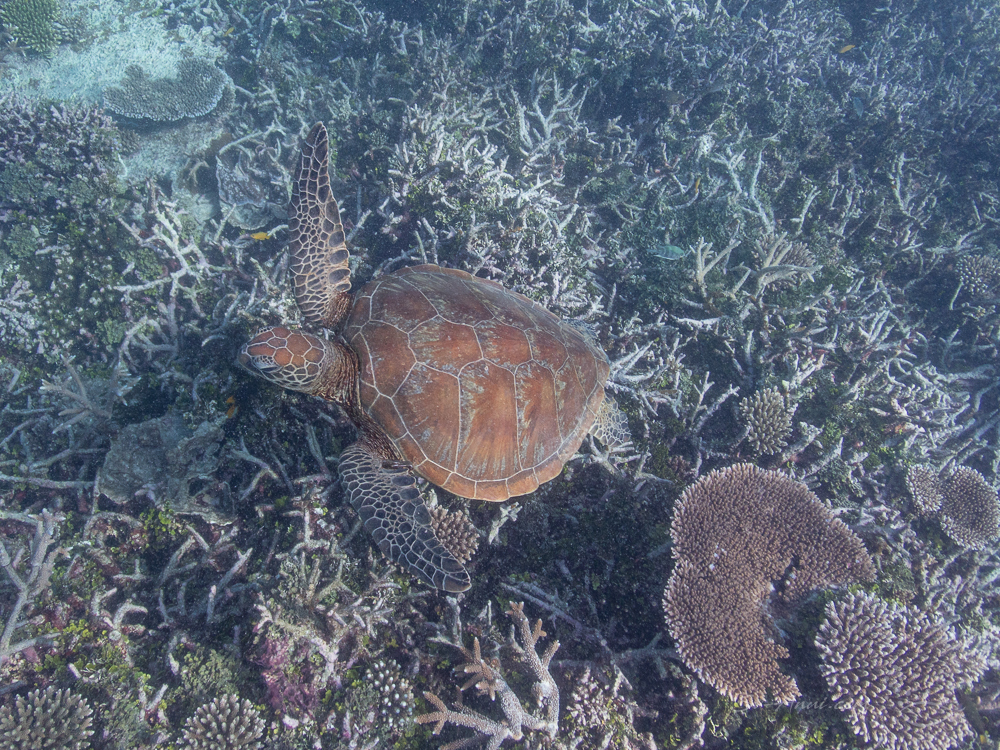

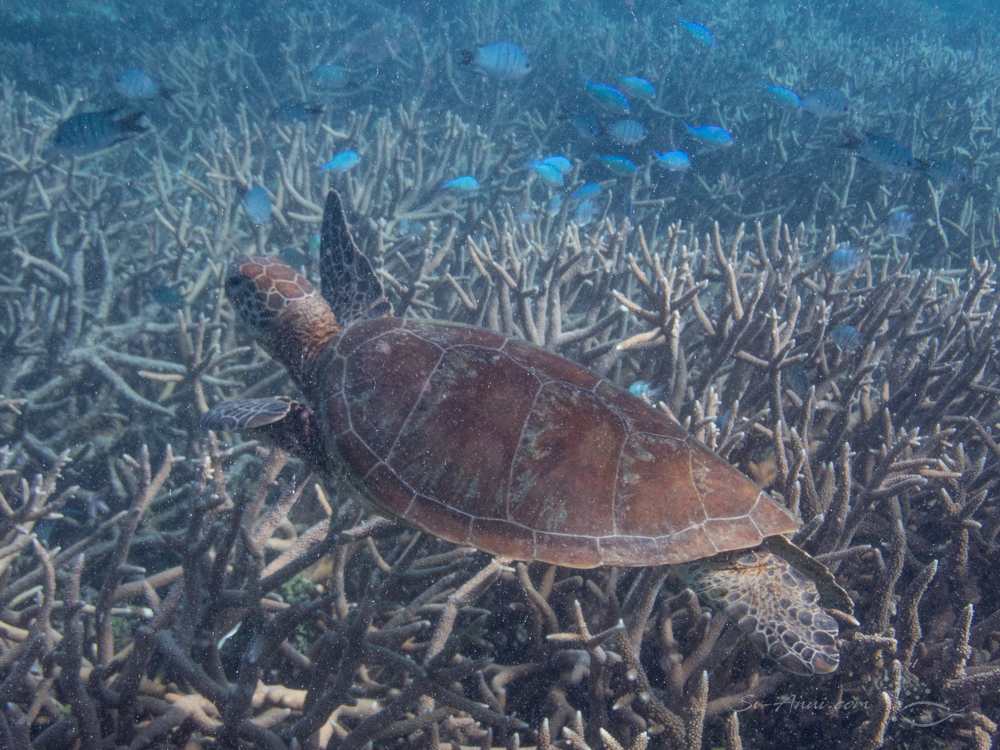
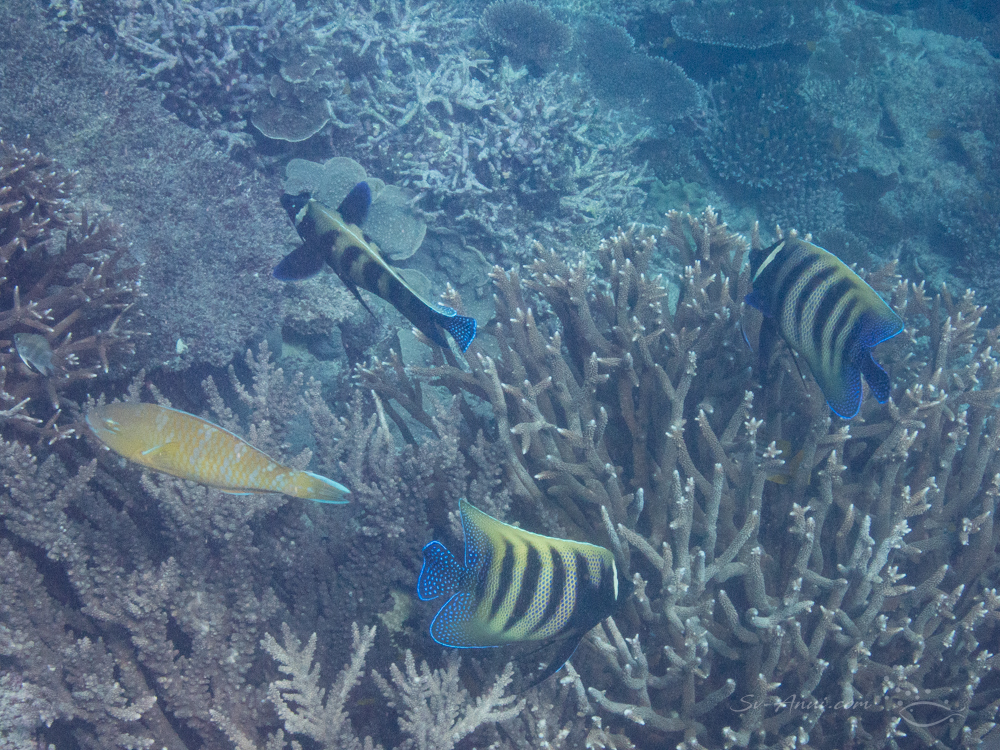
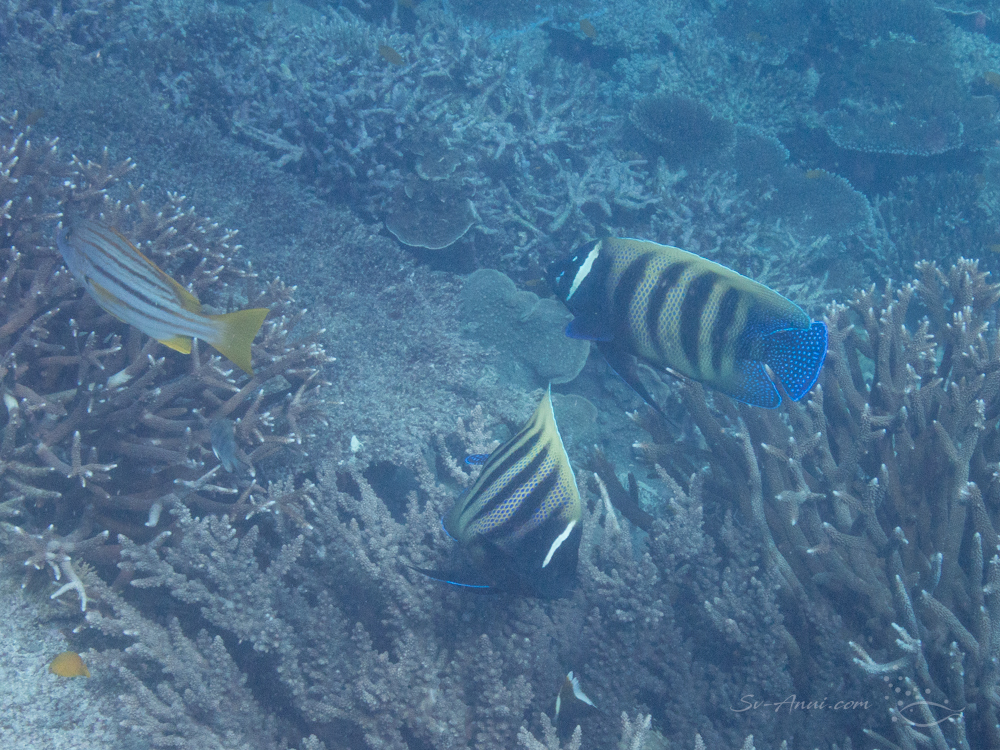
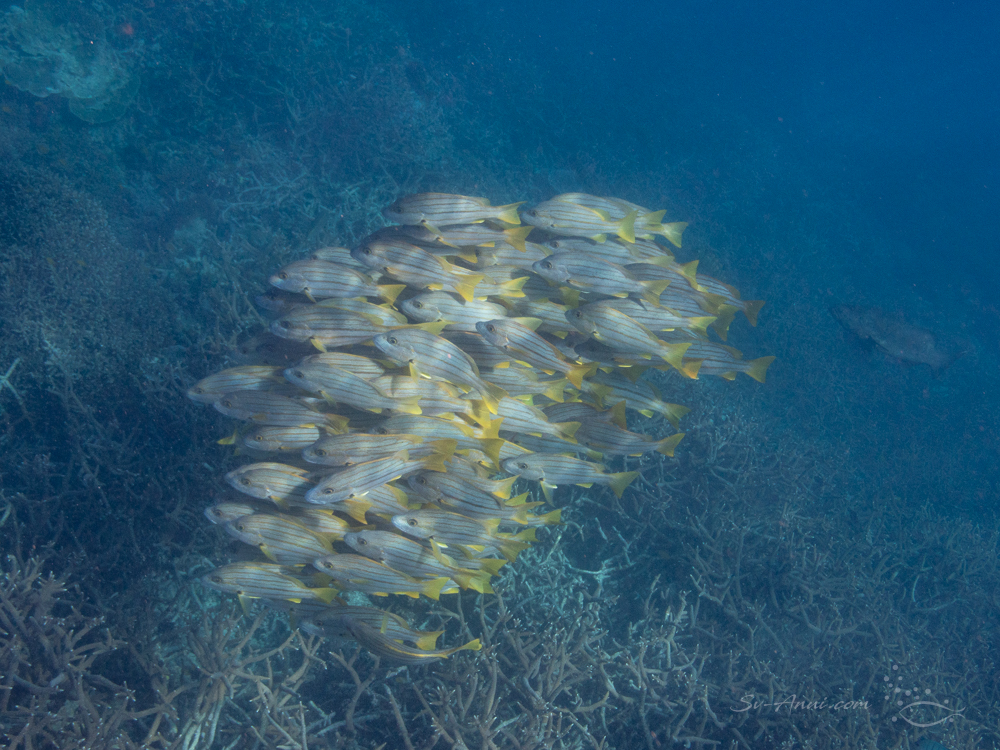
The verdict for the Capricorn & Bunker Group is that coral recovery is patchy and the amount of fish life variable, but there are a few reefs well worth visiting. It goes without saying that we will be back and cherry pick our anchorage spots! It was good to notice a few more public moorings were installed at Mast Head, Tryon, Wistari and Lady Musgrave.
Back in Bundaberg
We used some lighter weather to motor-sail back to Burnett Heads earlier this week, looping the loop! Oh boy was it chilly, so much colder than offshore! We fired up the steam train underway – our diesel heater always smokes a lot after a break in use, so we made sure it worked properly before reaching the coast. We motored up river all the way to Bundaberg, winter gear on. Bengie was excited, sniffing the land smells, whiskers and nose twitching, and she ran around on deck like a crazy cat.
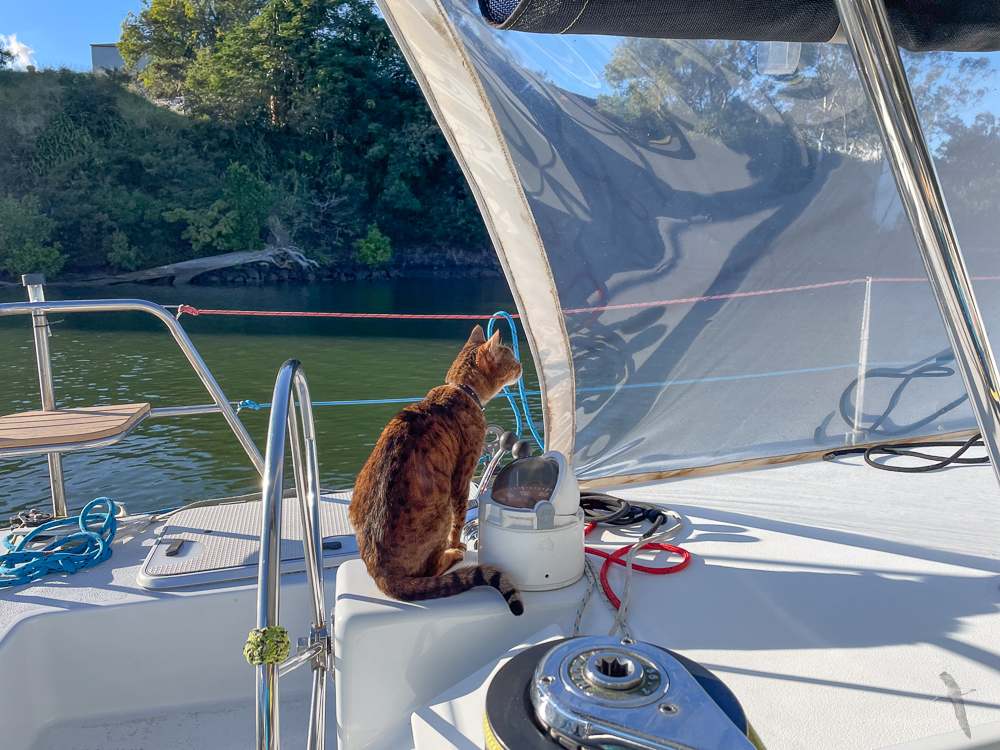
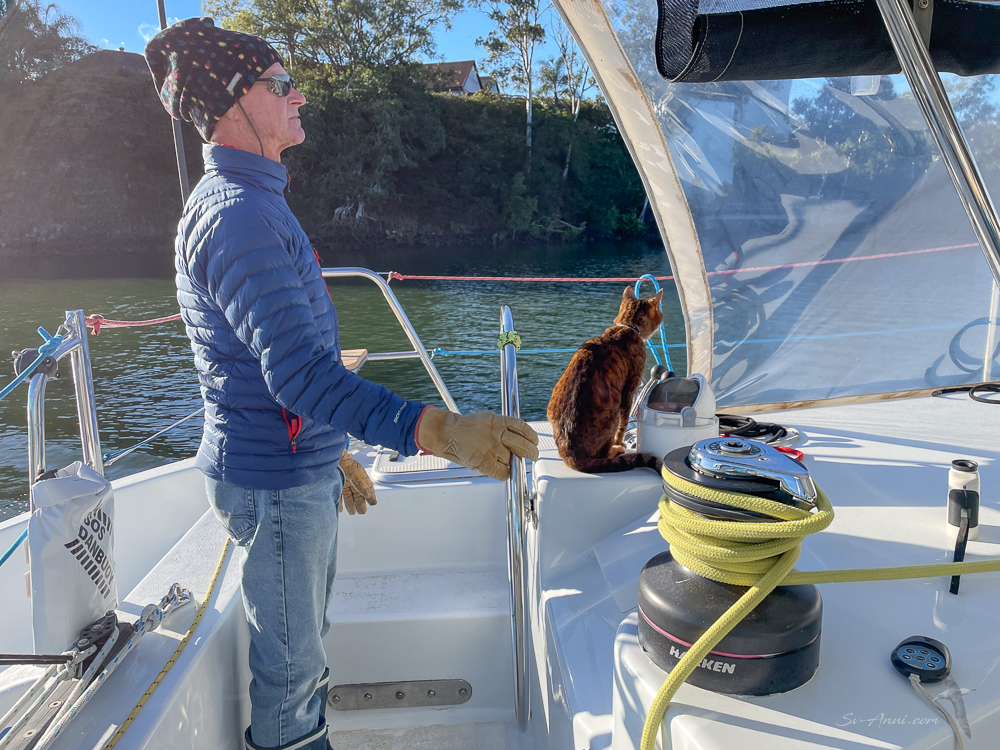
We have re-provisioned, done the usual chores and boat maintenance after weeks offshore, and are readying ourselves to go back again to the Capricorn and Bunker Group, this time with our friend Bill on board.

We do intend to return to the Swain Reefs, however not until our next cruising buddies are ready, a few weeks from now.


 Sv-Anui
Absolutely beautiful! I’m sorry about the dead corals, guys, I suppose this happens in cycles over thousands of years?
OMG don’t get me started! Not over thousand of years, John. You have been following us for a long time, so you should know there has been an acceleration of coral death over the past 20 years on reefs – not only at the GBR but worldwide. We have seen this fast increasing decline with our own eyes and written about it widely. It is primarily driven by climate change: rising sea surface temperatures, recurring bleaching events, caused by heat stress from increased water temperatures and UV radiation, ocean acidification, damage from worsening and more frequent storms. Pollution also contribute.
That’s where an “issue” pops up for me. I don’t believe in man-made global warming. Rather, I believe that Earth has warmed and cooled by itself for thousands and perhaps millions of years.
Perhaps Earth is beginning to move into another warming period which has caused the bleaching events. Give it another several thousand or less years and this trend will possibly reverse itself.
All of this having nothing to do with human activity, it’s happenstance. I know you will not agree with this, it’s okay. ☺️
Yes John, we will agree to disagree. The happenstance as you put it has been made far worse by our human activities and within a few short years there will possibly be nothing left of the world’s coral reefs.
Wonderful! This is kind of like talking about politics… 👎🏻😂
Great to see that there are still spots that are alive and thriving. Keep seeking them out and sharing the joy of it.
Thanks Ann, they are unfortunately few and far between, but Heron certainly gave us hope.
An interesting writeup and pictures this week whilst you were on reefs the names of which I actually knew. Two sets of photos with a positive twist . . . love the ones of Bengie alert and curious and helping Daddy . . . and you have used the term ‘coral recovery’ whilst still showing a comparatively sad saga. Glad the fish have not left . . . perchance there can be somewhat of a fightback by the underwater world . . . even tho’ this very week there have been a number of articles in the press about the increasingly large warming ocean areas around the world . . .
Morning Eha, it has increasingly been a mix bag at the reef. The reality is that most reefs are struggling, some are beyond repair and look like deserts. Those very few which show healthy coral are particularly striking to us because they are so rare, and the healthy side is just that: a side where the conditions are helping such as current and clear water… and protection via Green Zones.
Glad you enjoyed the Bengie shots too… she was noticeably excited.
Yes, I was wondering about the ‘Green Zones’ – perchance certain commercial shipping regulations brought in . . . what a tragedy . . . alright global warming is increasingly noticeable for the humans as well, but . . . the selfishness and lack of understanding, belief and caring as far as looking after precious nature is concerned . . .
And the belief in ‘natural cycles’ is a justification or excuse for doing nothing.
Great info Chris on the Southern reefs. Good to hear there’s some recovery, albeit patchy. We haven’t visited Heron for a while so maybe this season. Thankyou for sharing your intel!
Pleasure, Amanda. Remember it’s always better on the exposed sides…
You must be close to being on your way?
Amazing aerial views and coral reef photos! I heard of coral reef deterioration but didn’t know what it looked like.
Hi Esther, I haven’t shown the destroyed coral but you get glimpses in the background of some of the little fish photos. It is widespread unfortunately.
It is unfortunate and they grow slowly!
Oh, I though the white coral reefs were the destroyed ones. I always think of them as colorful.
The totally ‘snow’ white corals are bleached because their symbiotic algae has gone. It is quite striking. If the heat wave lasts too long they starve to death and brown, filamentous, harmful algae invades. A healthy colourful reef has blues, pinks, purples and yellows as well as beiges.
Wow, what a sad process they go through!
A healthy coral reef must be mesmerizing to see.
It is good new about the return of the reef at least in patches. Glad you have been enjoying your journey. good to have your mate Bill on board for the next leg and its adventures.
All going Ok here, I at least finished cleaning the house, next the front garden. Pepa is on her spot on the lounge whist I do my work.
Cheers to you both, Love Sue
Hi Sue, nice to get your comment… looks like you no longer have the hassles with WordPress! Fingers crossed!
Yes we are quite selective with the reefs we visit as the conditions are patchy and we are over depressing ourselves. We did well with Heron.
Great adventures yet again! Still getting over that ‘filefish’ !? It looks just like a bit of rope I have in the shed!
Bon voyage chaps!
Yes filefish are tiny, maybe a millimetre thick and about 15cm long and blend into the substrate.