Around the corner we go. We are back in NSW having used several days of southerlies to sail north, dodging the last of the Humpback Whales migrating to Antarctica. We are making good progress.
Officially out of Victoria and into NSW this week!
Moving into NSW means getting “around the corner”. You follow the Victorian Coast east, round Gabo Island and Cape Howe then head north, past the prominent Green Cape. Gabo Island sits right at the collision zone between the shallow, volatile waters of Bass Strait and the deep, open Tasman Sea. Once you commit to rounding the corner, you are entering a long, exposed stretch of coastal wilderness with almost no bulletproof shelter until you reach Twofold Bay in Eden (about 40 nm north). The trip from Lakes Entrance to Eden is about 135nm. Most people tackle it as a long nonstop overnight passage. We try not to. Instead, we have a few tactical spots we use depending on the conditions: the Skerries on the Victorian side, Gabo Island on the corner, and Bittangabee on the NSW Side. We assess the wind and swell as we go, keep checking the forecasts underway and make decisions as to where we will stop while we sail along.
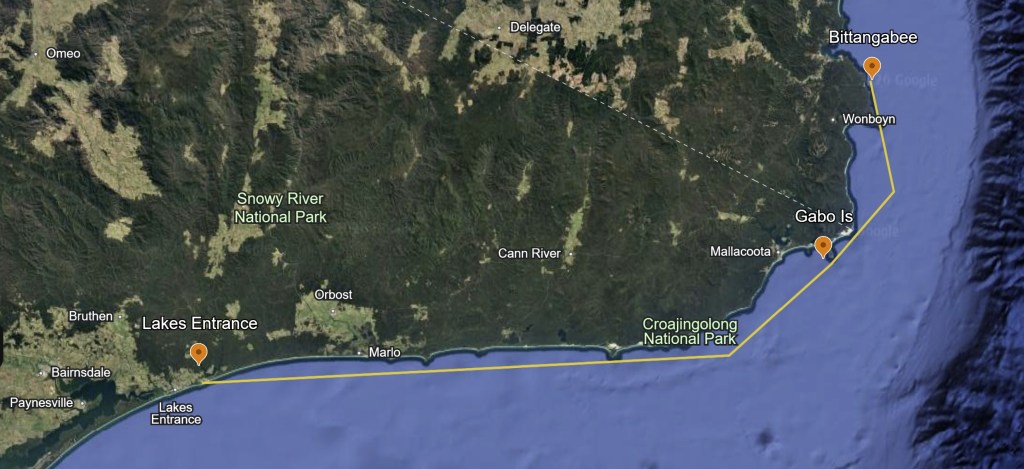
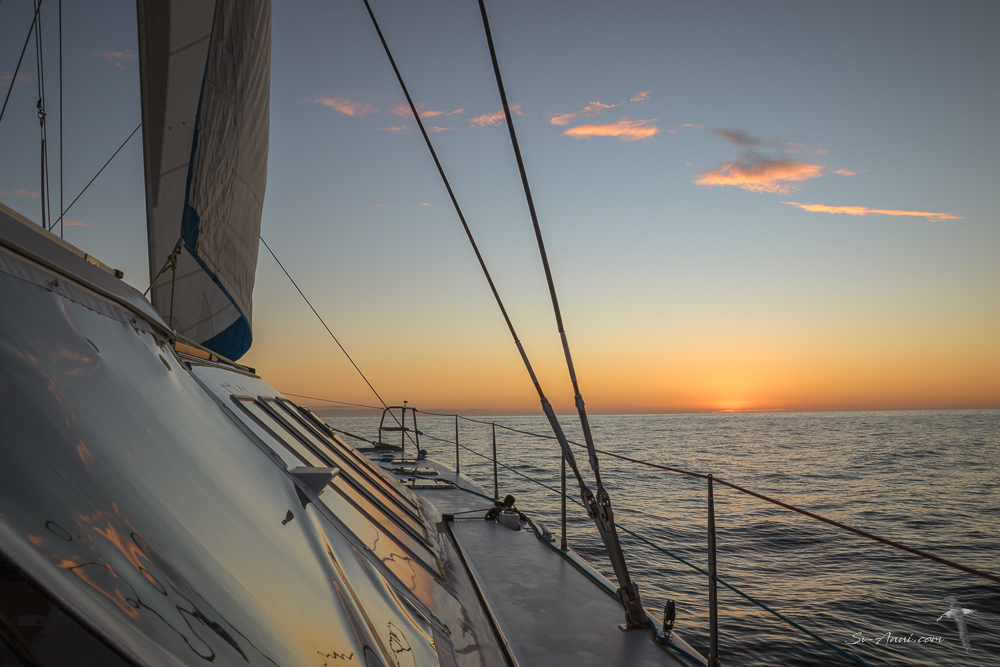
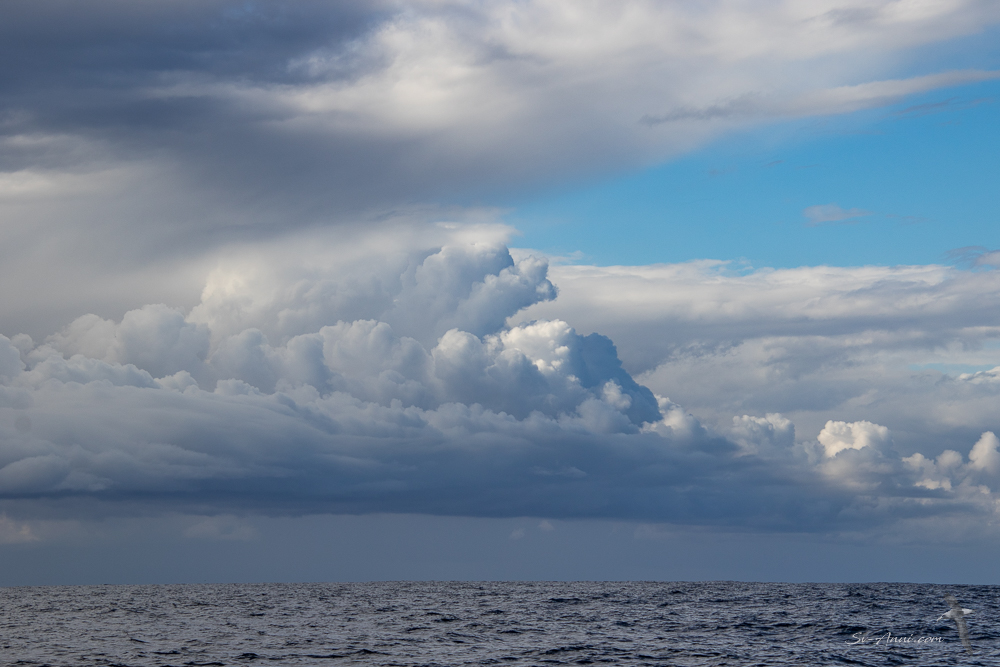
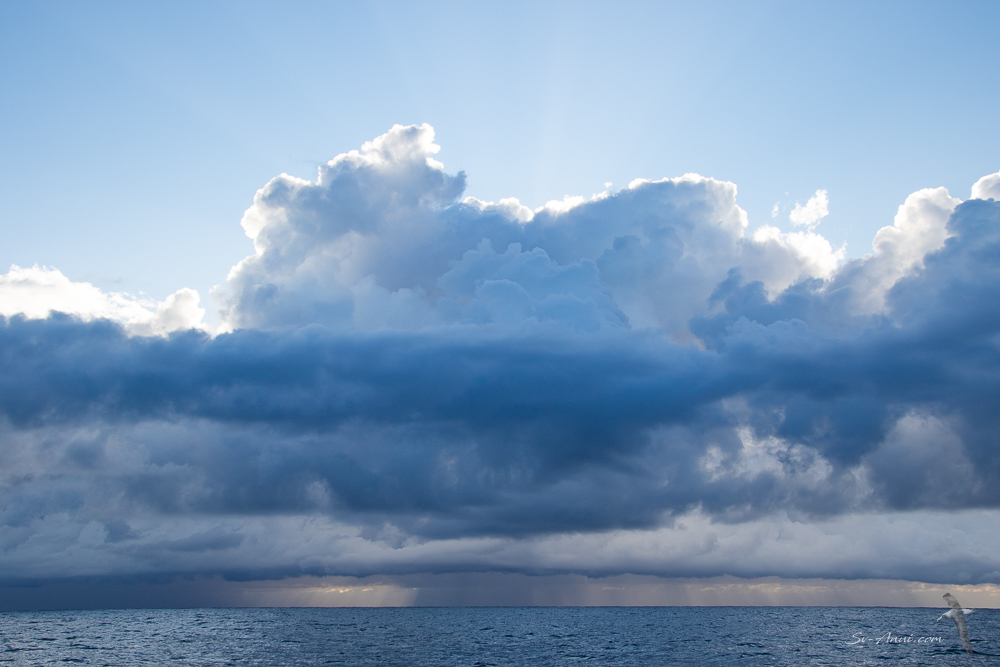
We left Lakes Entrance last Saturday, crossing the bar at dawn. It was a motor sail in conditions varying from nil wind, when Bass Strait was like a mirror, to strong head wind as we reached Gabo Island, with everything in between and from every direction along the way! For hours we looked ahead at blue skies and glanced behind us at a thick bank of clouds. We were running on the edge of the front. The conditions made for a nice mix of photo opportunities, from traditional seascapes to more arty shots!
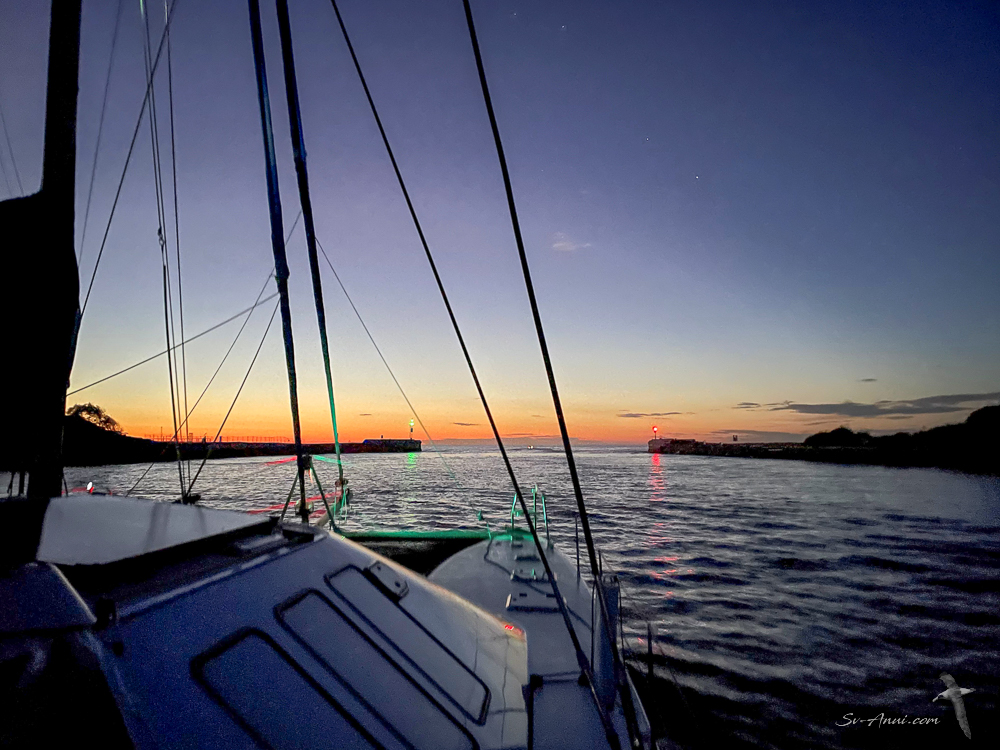
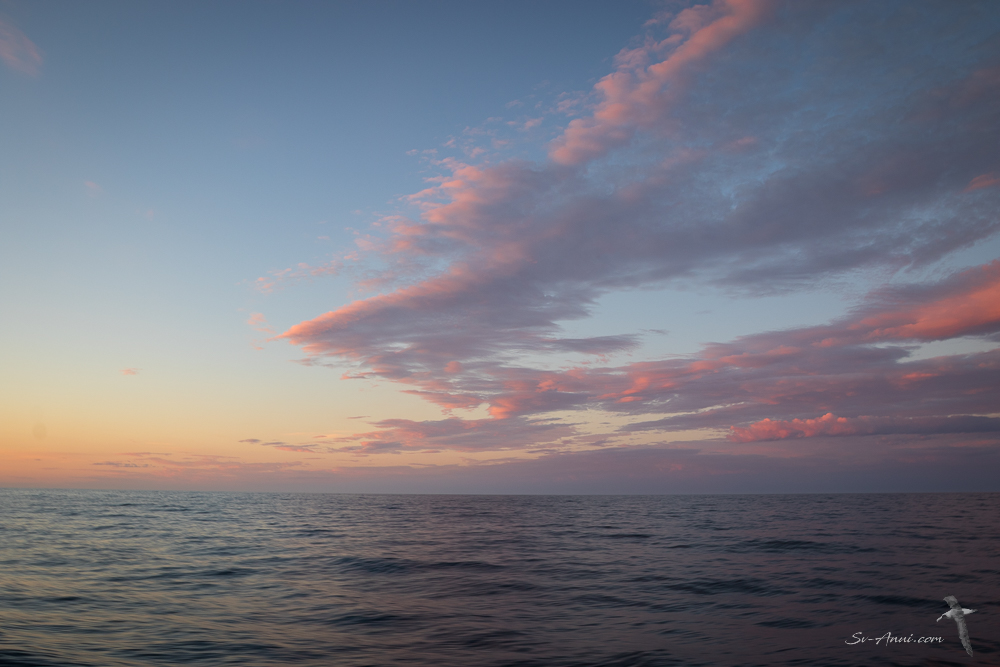
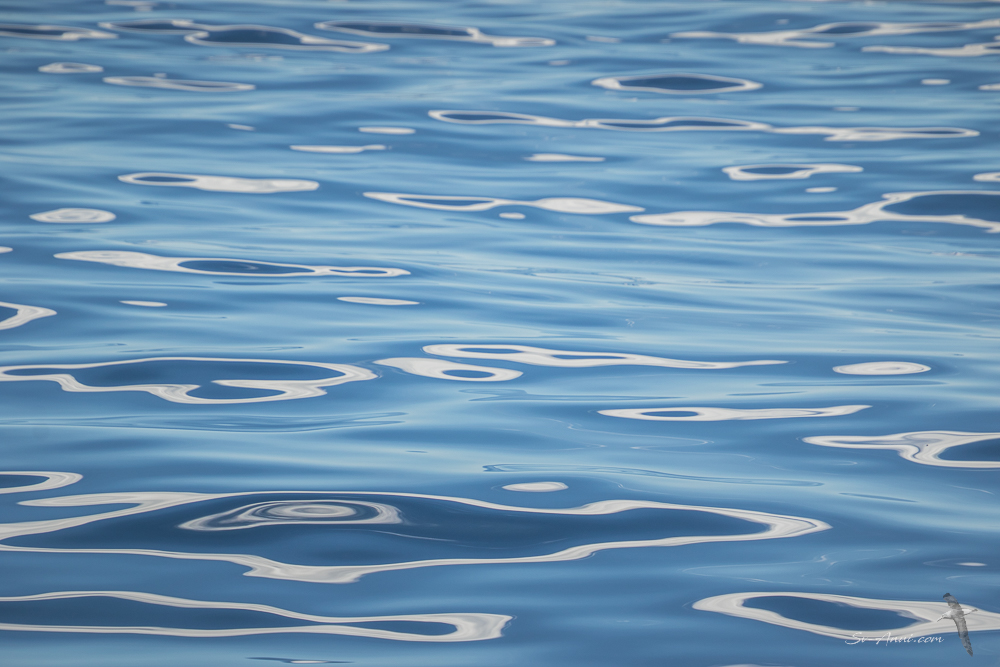
This time with strengthening winds earlier and stronger than forecast, rain and storms likely the next day, and 20+knots northerlies to get up towards Eden, we figured getting from Lakes Entrance all the way to Gabo Island was the most appropriate plan. We would stay at Gabo overnight, then take off at first light on Sunday to round our three challenges: the Gabo Lighthouse, Cape Howe and Green Cape. If we were lucky, we would pull in at Bittangabee, but if unable to enter the cove, we’d push on to Eden.
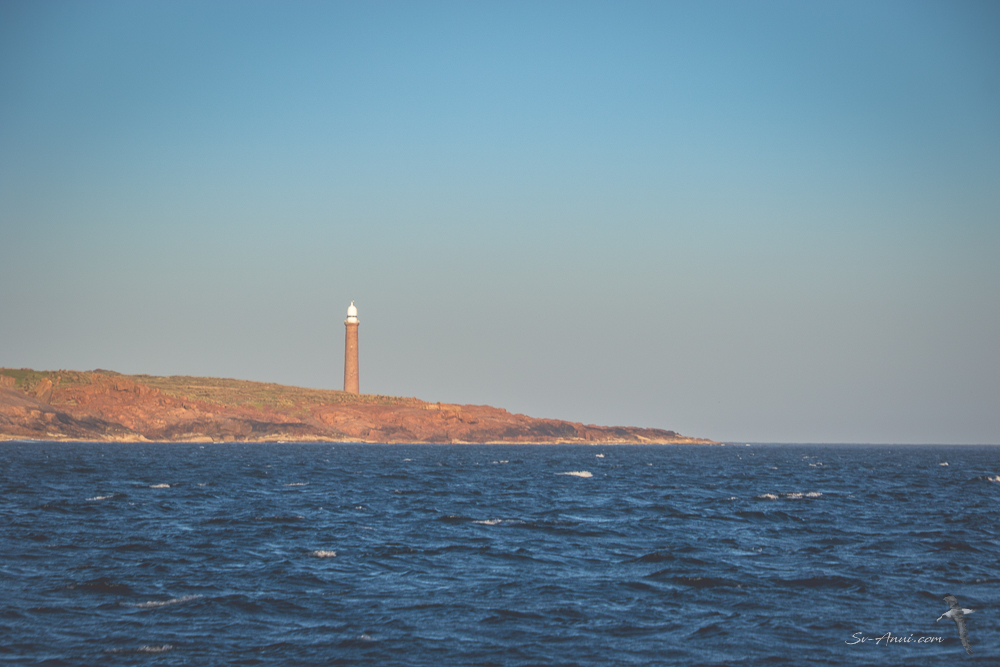
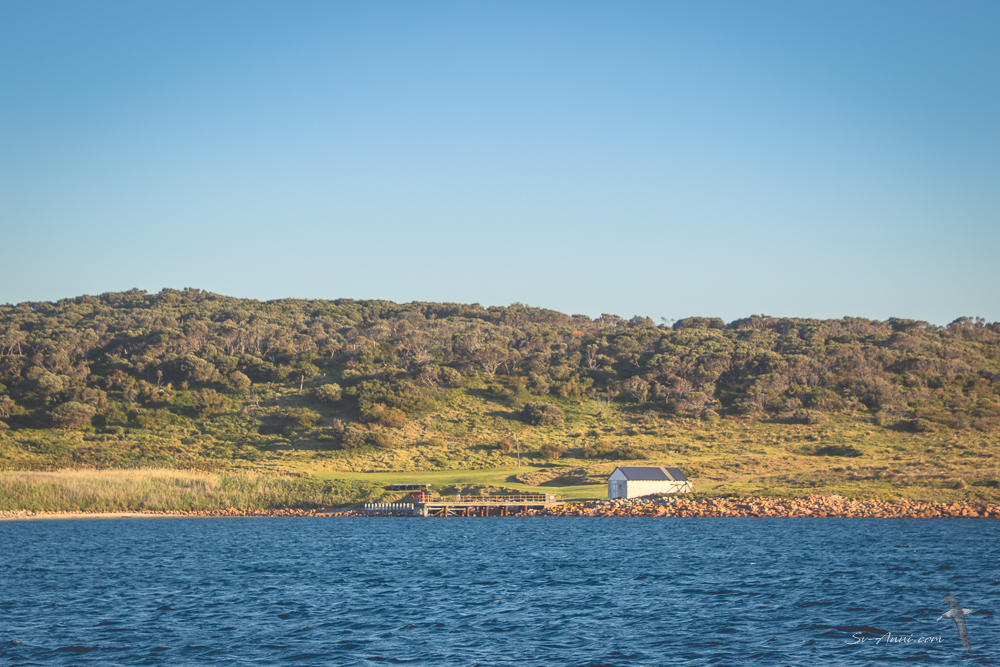
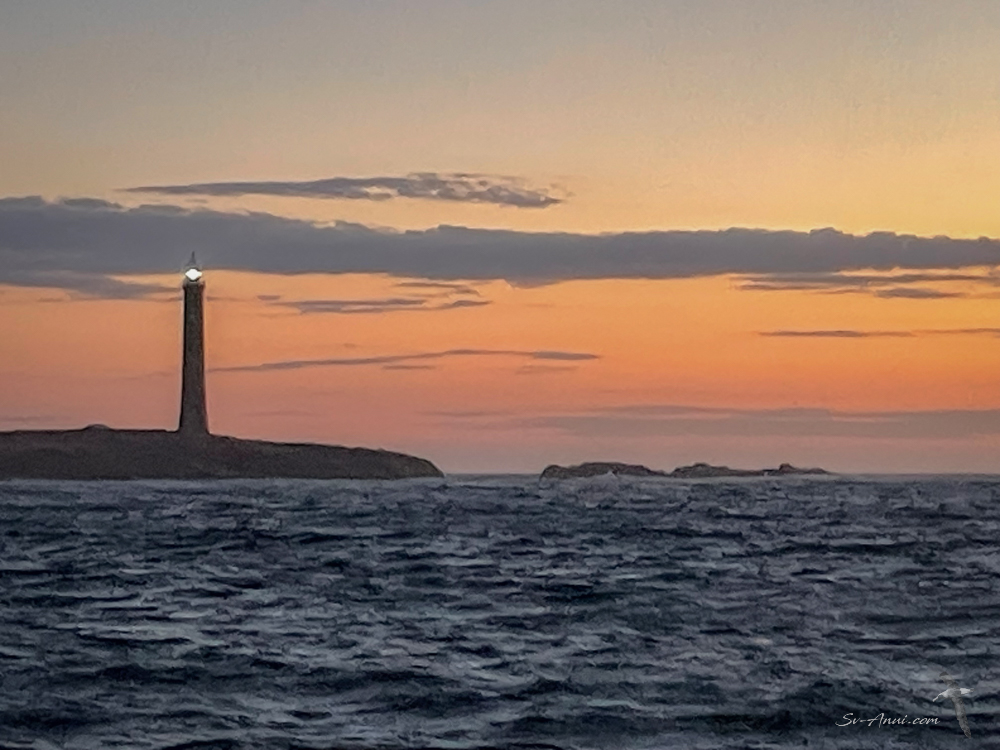
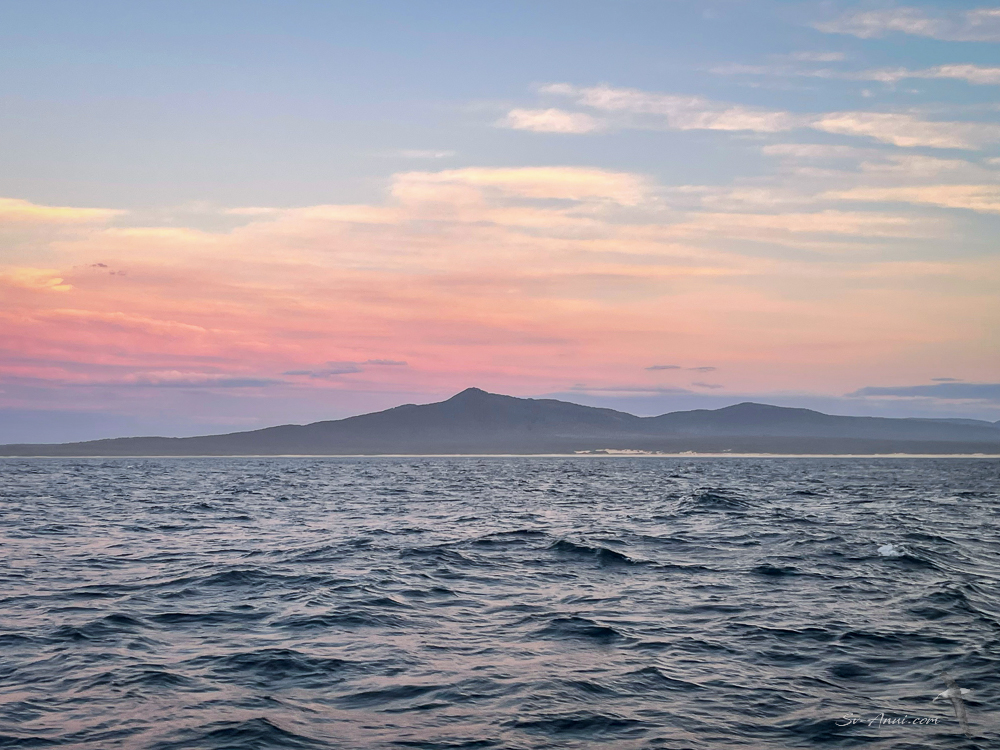
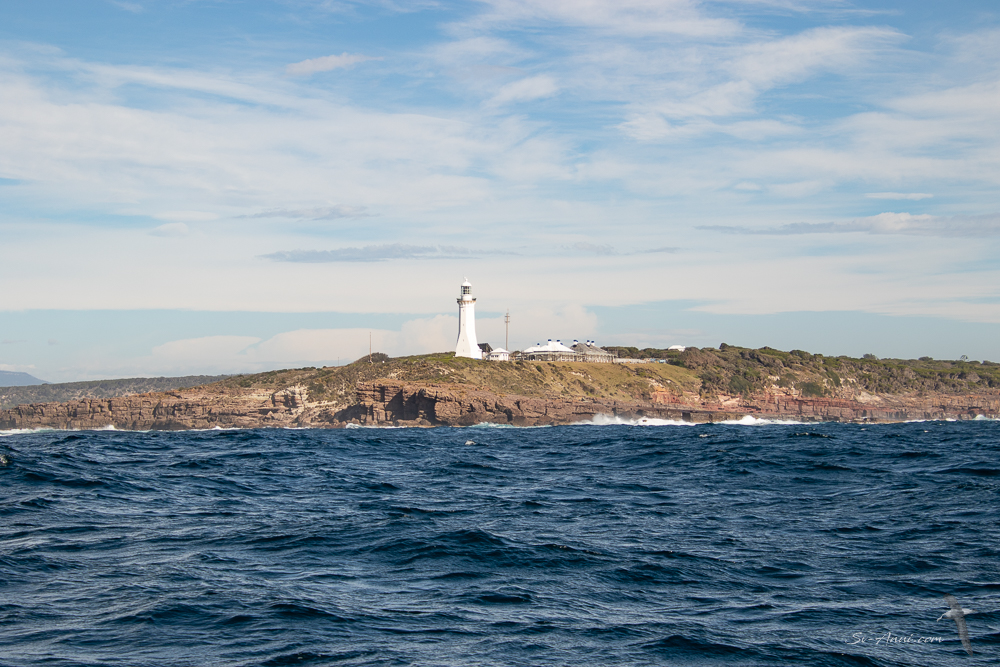
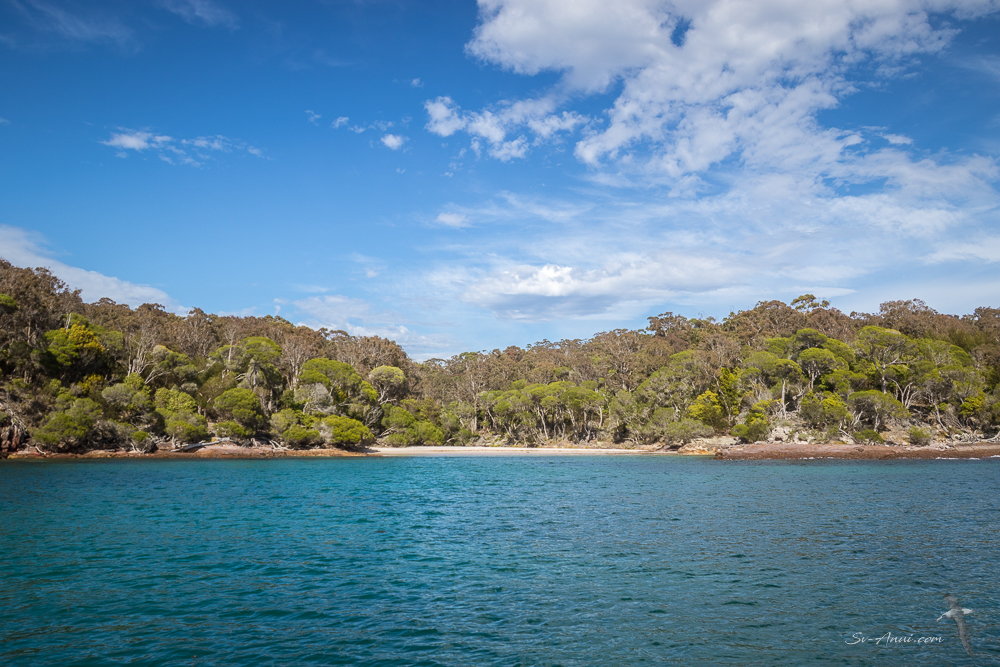
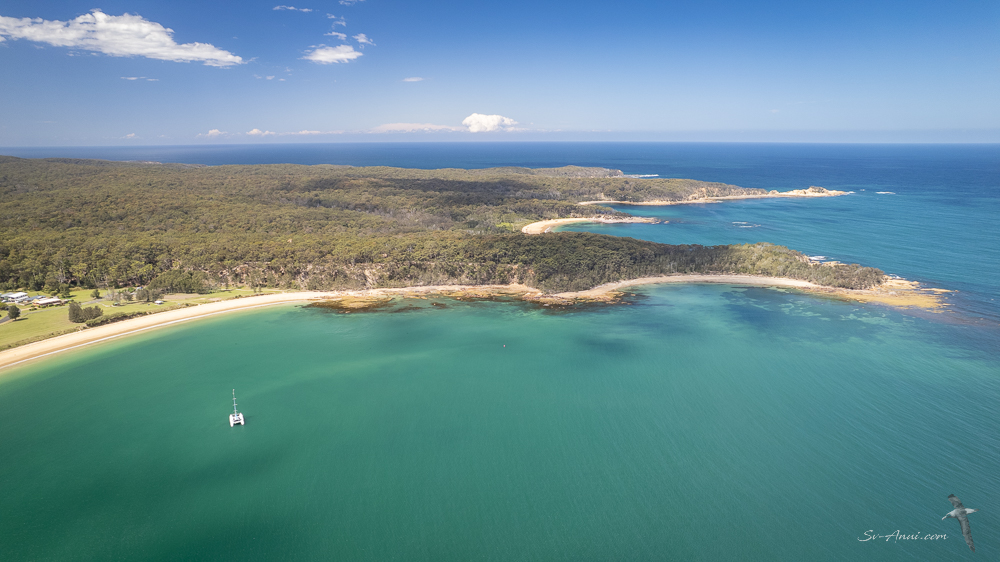
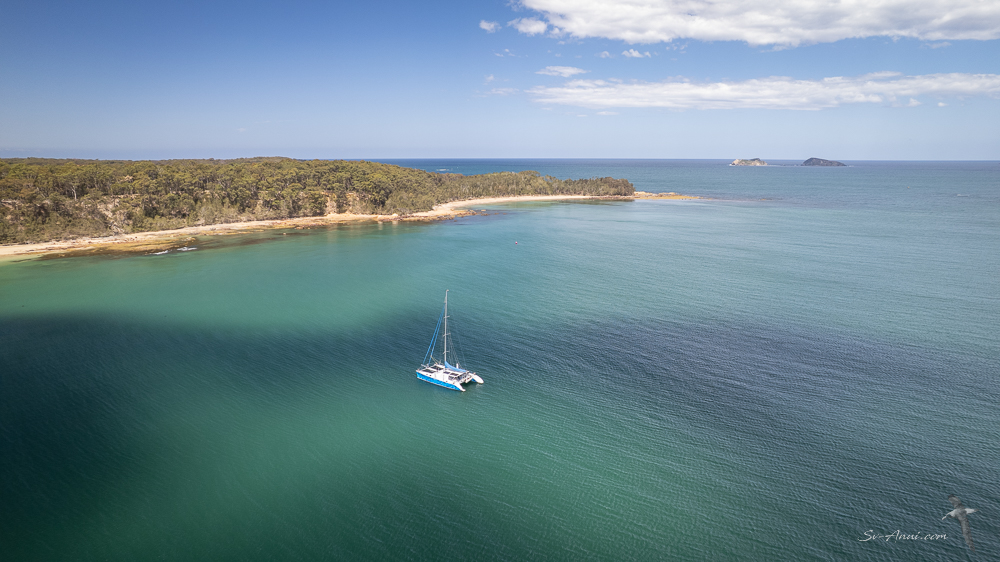
We had a comfortable night at anchor on the western shores of Gabo, then on Sunday we motored into NSW. Everything fell into place but not without salt spray, rock and rolling, 25 knots on the nose and dodging whales! We managed to escape out of the washing machine into Bittangabee Bay four hours later. We spent the day and night in our favourite anchorage, waited out the worst of the SW change, then followed it the next day.
There she blows – the curse of the Humpback Whales
We have seen quite a few pods of whales, even one right in the entrance to the Gippsland Lakes, and have heard stories from our cruising friends about their numbers. So we were quite concerned about the risks involved in sailing against the flow. Humpback Whales are very active along the East Coast of Australia in September/October. They are moving south back toward Antarctic feeding grounds after completing their Northern breeding cycle.
There has been a dramatic rebound in numbers from a low of around 150 to 200 individuals in the early 1960s after the end of commercial whaling. The East Coast whale migration accounts for one of the world’s most successful marine conservation comebacks. It’s amazing what nature does when we stop killing!
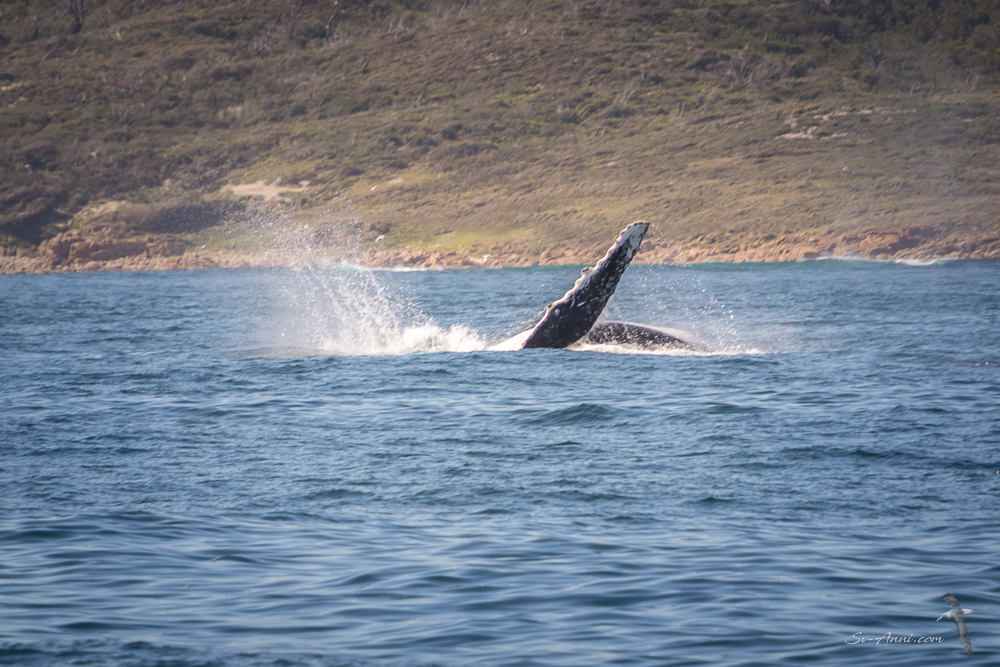
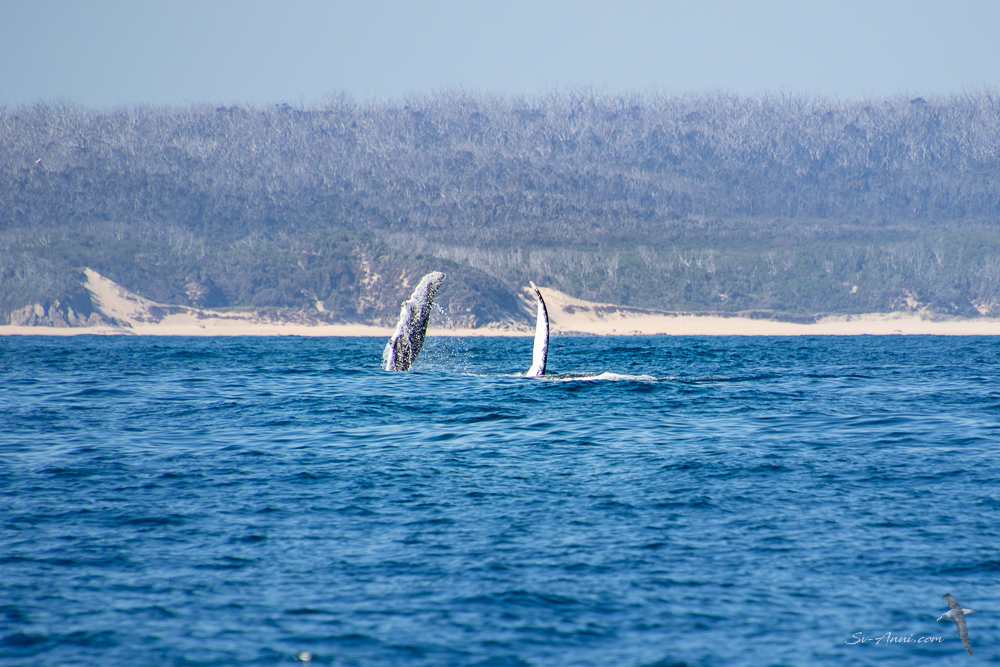
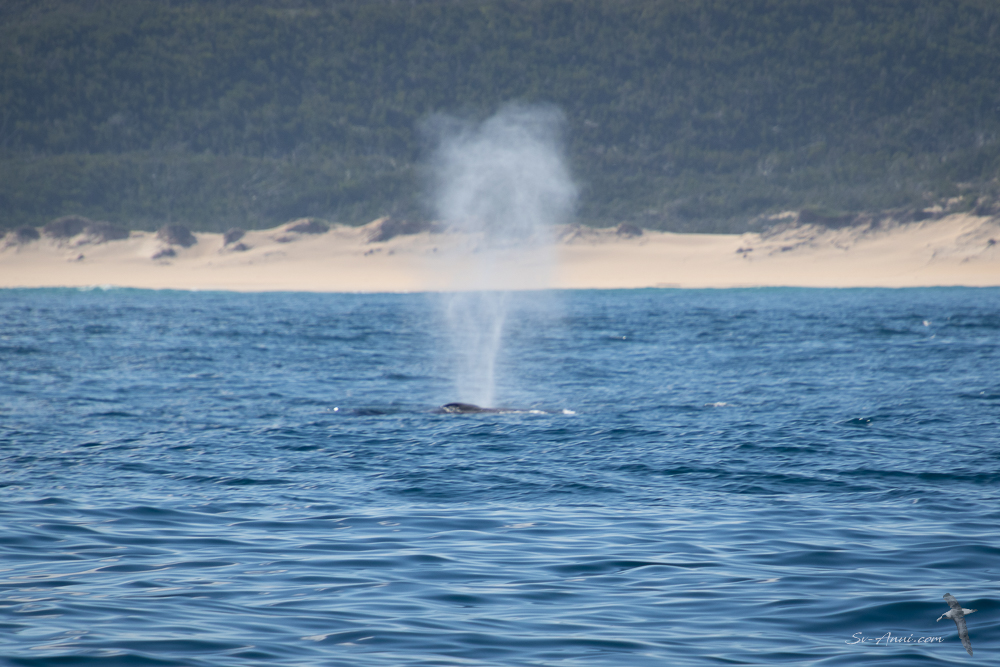
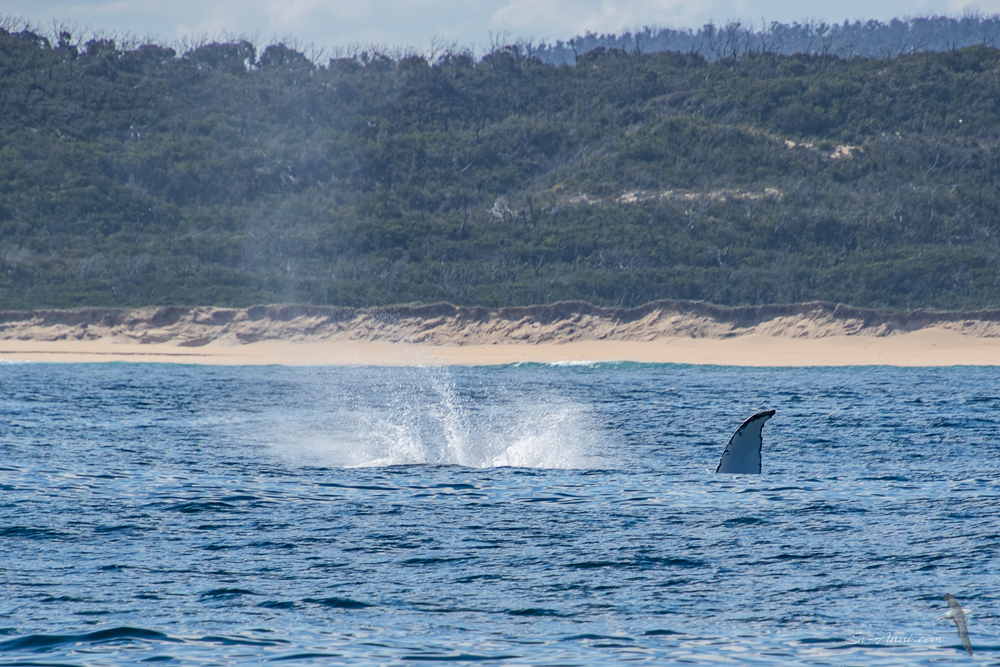
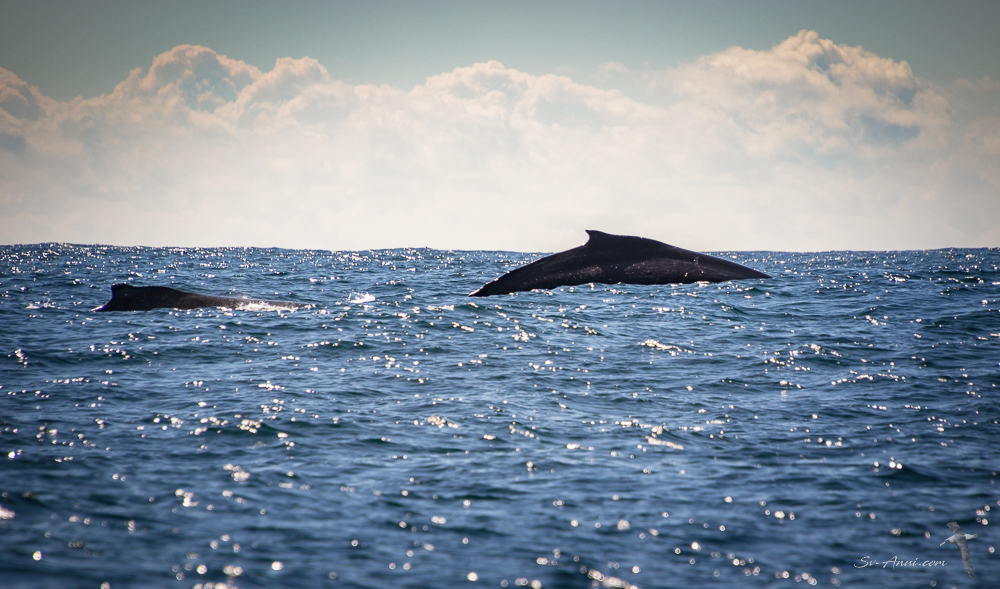
Nowadays, an estimate of 50,000 to 60,000 whales navigate this coastline. The majority of this massive population travels within a narrow 10km corridor from the shoreline. Heading north means we are sharing a highly congested, tight channel with 40-tonne animals! Hitting a whale at standard cruising speed can be catastrophic for a yacht. Doing so at night is a sure way of sinking your vessel and risking losing your life.
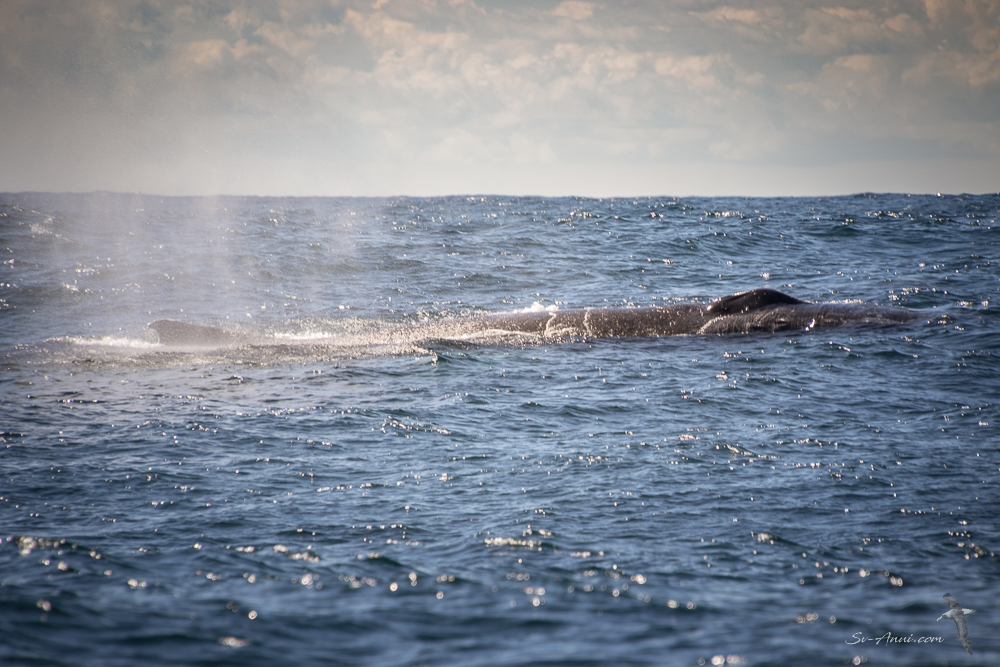
Given the inherent risks of travelling during peak Humpback migration, we have had to put in place safety mitigation strategies. Firstly we are avoiding travelling at night, even if it means not fully using favourable weather windows. Humpback whales often sleep or rest just beneath the ocean surface, looking like a big floating tree trunk. In total darkness, they are completely invisible and they will not move out of a yacht’s path. Secondly during the day we keep a constant watch, looking out for blows, dorsal fins, tail slapping, breaches and logs… It turns out it is relatively straight forward in steady wind conditions when we can spot the blows or the whale action readily over the dark ocean, but not so in choppy weather when every breaking wave looks like a surfacing Humpback, or at the other end of the spectrum in a glass out, when the water is so reflective every shadow looks like a whale logging. We had a few near misses with mothers and calves passing within 10 meters of Anui, which reinforced the fact that the threat of collision is real.
Bittangabee to Port Hacking in 4 hops
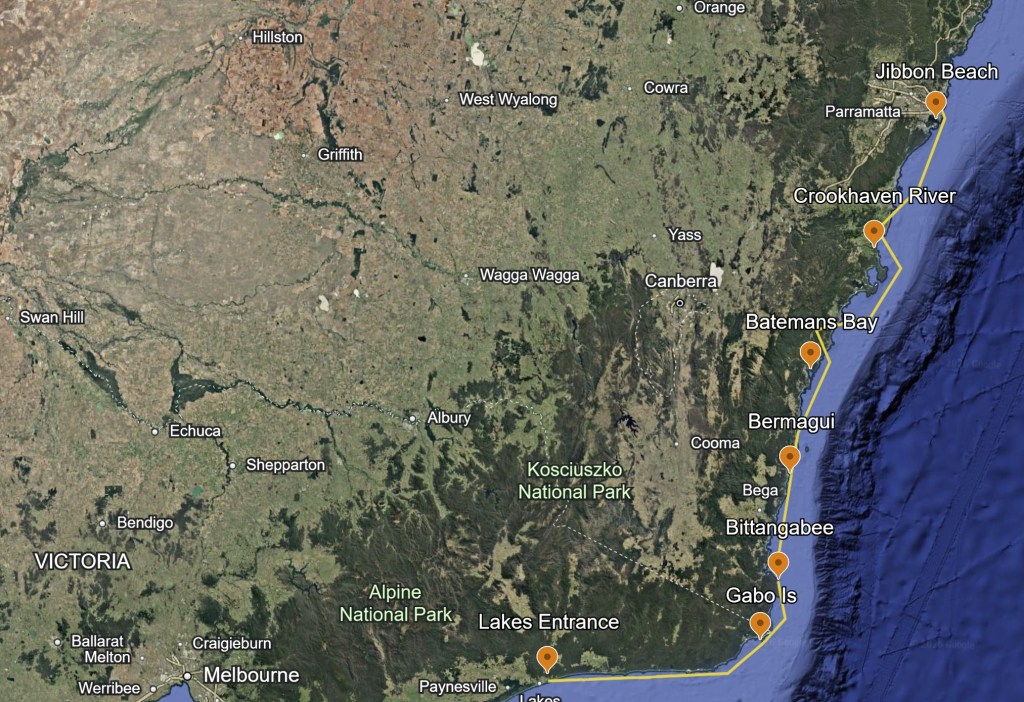
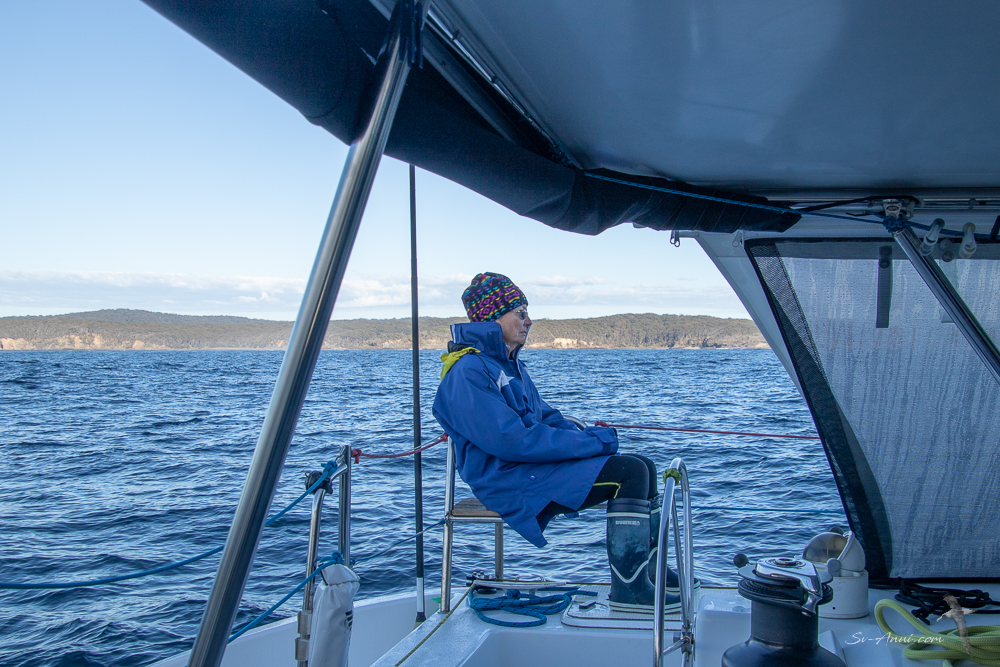
As you can see from the Sat Map, we made great use of favourable weather conditions to progress north without overnighters, doing reasonable 50 to 65 nautical mile hops, which for us means a cruisy 7 to 9 hours passage each day. We were rugged up for our whale watching and passage making. It was significantly chillier in the southerlies! But we sailed so it was a nice change from the first 13 hours of motoring and gentler on the bank account! The traffic on the whale highway has not been as bad as we feared. It seems the majority have already travelled south, and we are at the tail end of the migration.
It is not always a given that our favourite cove at Bittangabee will be accessible, especially in heavy weather. But with no wave breaking in front of it, and no one in it, we breathed a sigh of relief.
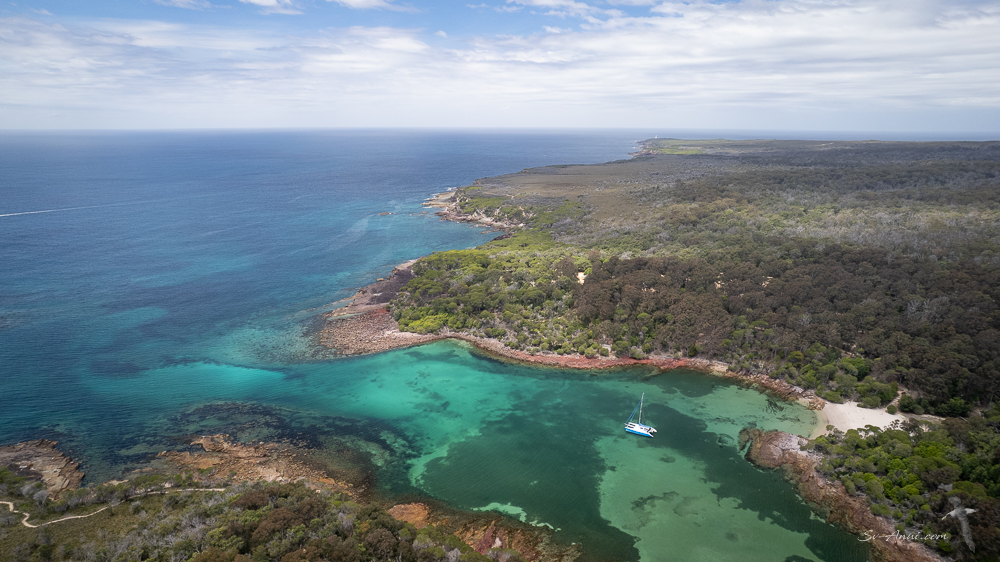
Mind you, it was not as heavenly as usual in the rain and shifting winds… a little rolly, and a little soggy. It rained a fair bit while we were in our hidey hole. Rain means checking for drips! And yes, we found what we did not want to find: a leak from one of the big side windows. We now know what we’ll do when we get stuck with the next round of northerly wind. We also had our sleep interrupted twice by the anchor alarm. Yap, we dragged – very unusual for us! We had to start the engines at 4.00am to re-anchor which is never fun in the dark surrounded by shallows and rocks. In the process we found that our port engine was stalling, requiring a change of fuel filter in the morning before we took off. In the end Wade found the filters were perfectly fine, the culprit was a valve which got closed by mistake. The boat builder will put important fuel cocks in the knicker cupboard! Argh!
Next came our sail to Bermagui, 55nm further. With a strong wind warning for the day, it was a spirited sail. Up to 38 knots on the back quarter, plenty of white caps and spray made for challenging whale spotting but we did not have any close encounter. Bermagui is a handy place to stop and top up fuel and food. However if there is one harbour we always feel a bit anxious coming into, it’s Bermi: the narrowest of channels in and out which does not allow two boats to pass, big fishing fleet, no space to move around once in. On a big cat, if you have to wait your turn to get to the fuel pump it’s challenging! So instead of stressing ourselves, we anchored in neighbouring Horseshoe Bay where we spent the night, and dinghied in with jerricans to top up our tanks!
Tuesday, still enjoying a steady breeze, this time from the SE then ESE, thus on the beam, we continued on to Batemans Bay, 47 nm further. We had a rollicking sail under main and jib, with very few whale sightings. We anchored in Chain Bay in the early afternoon, feeling we could have kept going but the wind was shifting more to the east. Continuing to Jervis Bay would have meant the breeze was too much on our nose and we would have had to turn an engine on. Nope! Not interested!
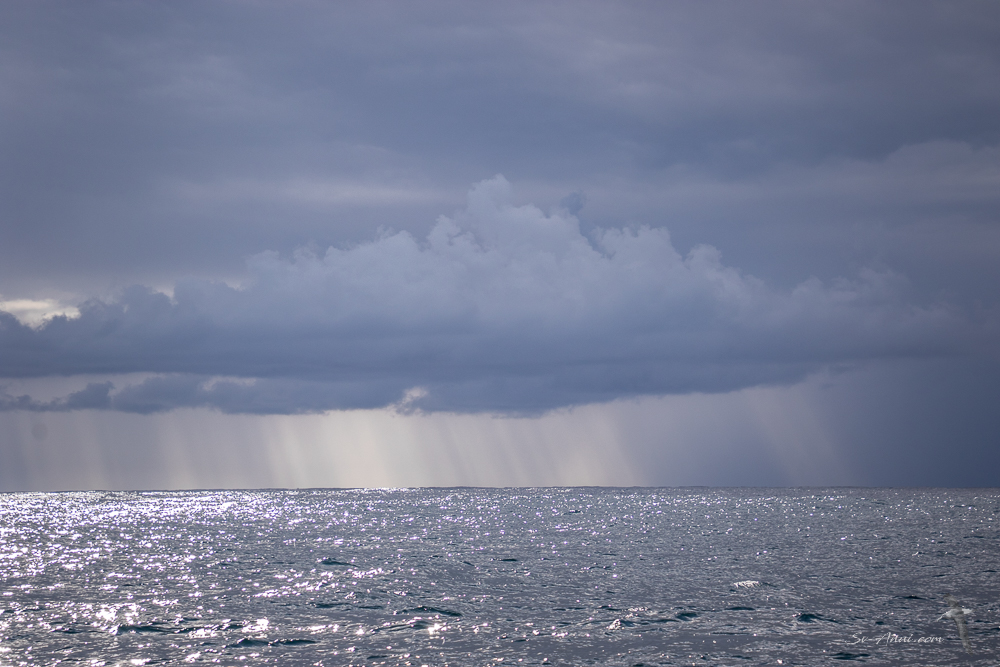
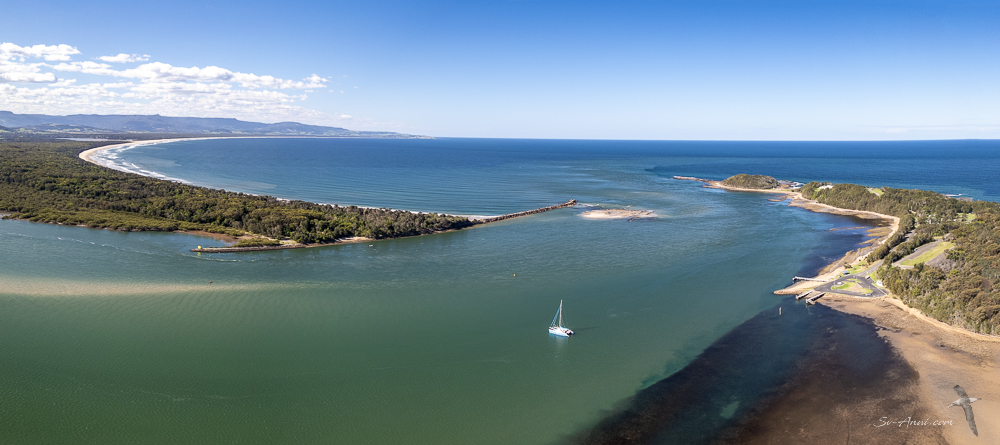
Our next hop took us to Crookhaven Heads, a 65 nm sail in light conditions with spectacular scenery and cloud formations. It felt like a slow long passage, particularly the first few hours in the morning when the breeze was just too light to sail. Things improved after 11.00am once the wind picked up and we switched the engines off. By the afternoon we were progressing along the towering cliffs of Jervis Bay, although we kept a fair way offshore to avoid the uncomfortable rebound of the waves against the cliffs. We stopped for the night inside the Crookhaven River near Greenwell Point. We found out the next day that it was just as well we did not stop at Jervis Bay as the area was out of bounds while war ships were practicing firing live rounds towards Beecroft Head!
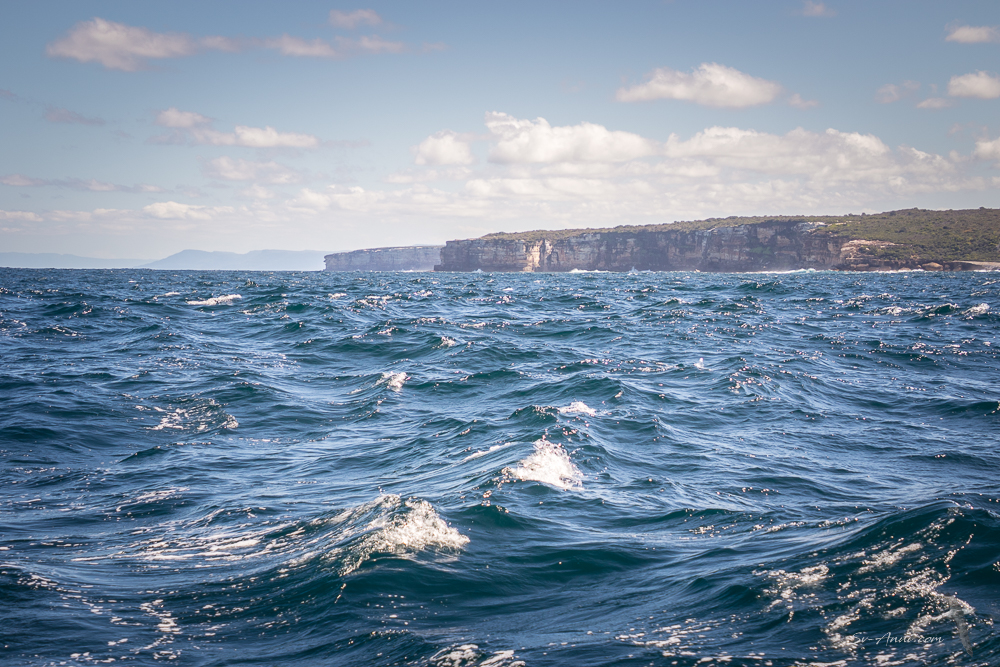
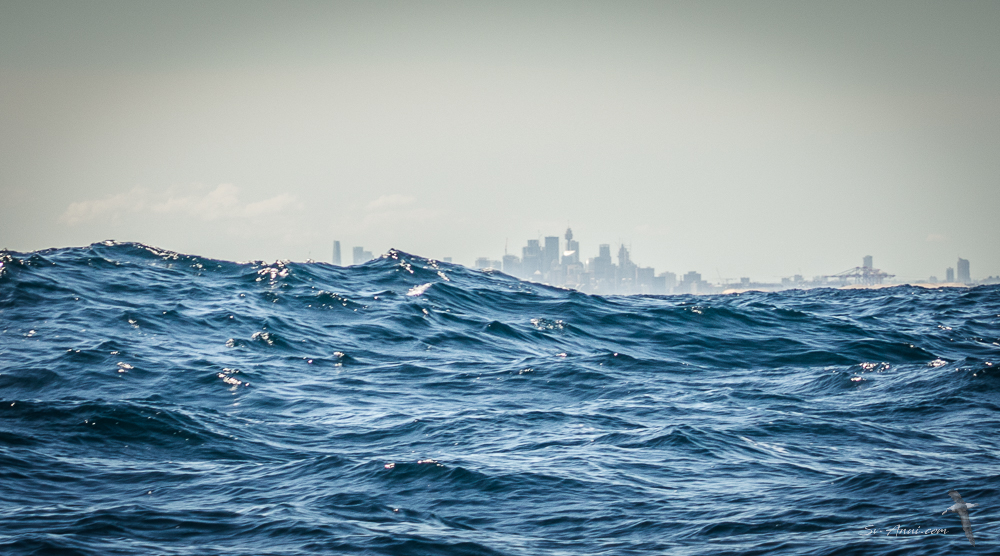
Our last dash before the wind change was a 55nm sail to Jibbon Beach, opposite Cronulla on the southern side of Sydney on Thursday. This often is another long, tedious and lumpy stretch, but the scenery along the Illawarra coast and the Royal National Park is scenic, with high escarpments. With 2m swell, the crashing waves along the cliffs were impressive but the ride was uncomfortable not helped by a strong East Australian Current against us.
Here is a gallery of shots taken during those four hops. Click on the first image to see in full screen and arrow right!
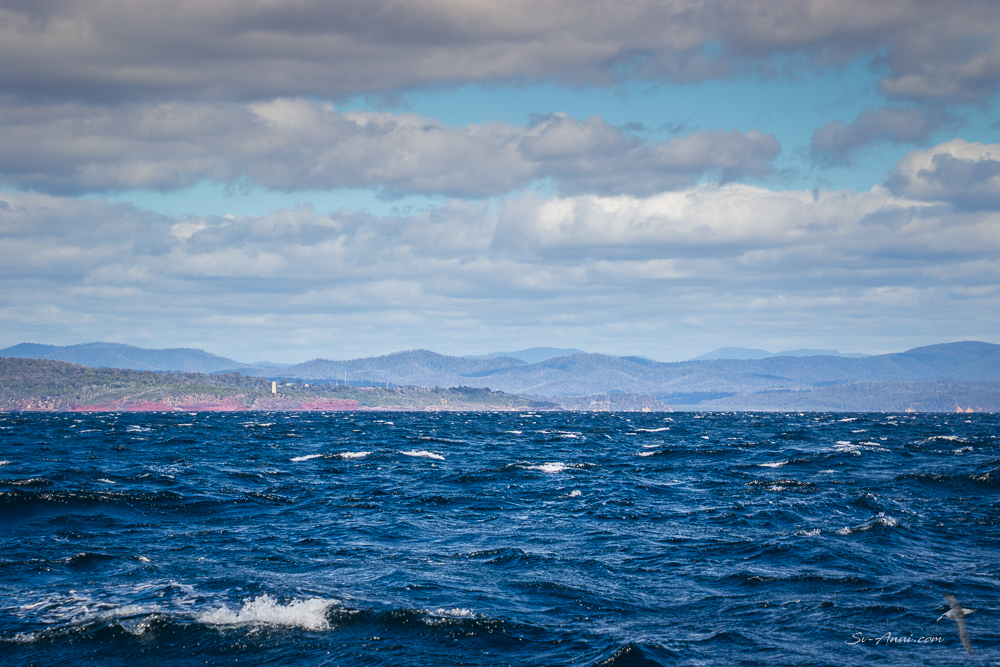
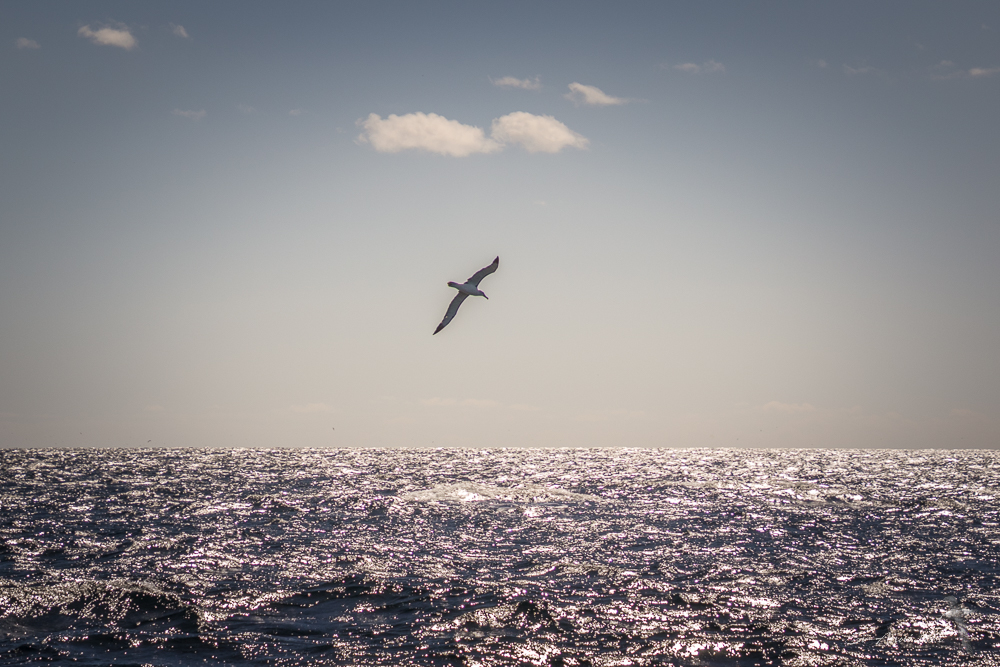
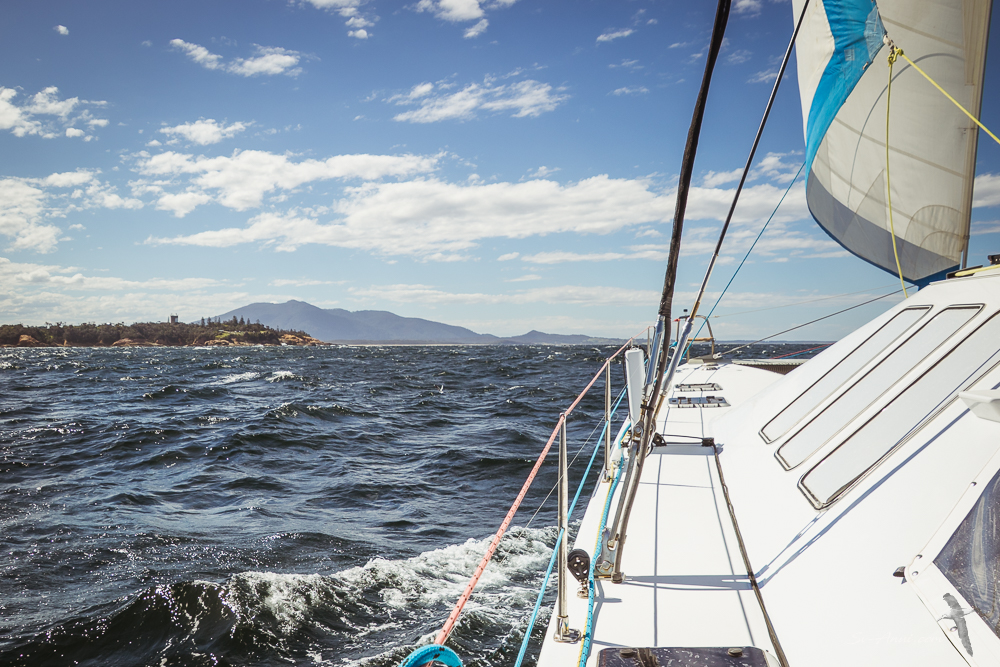
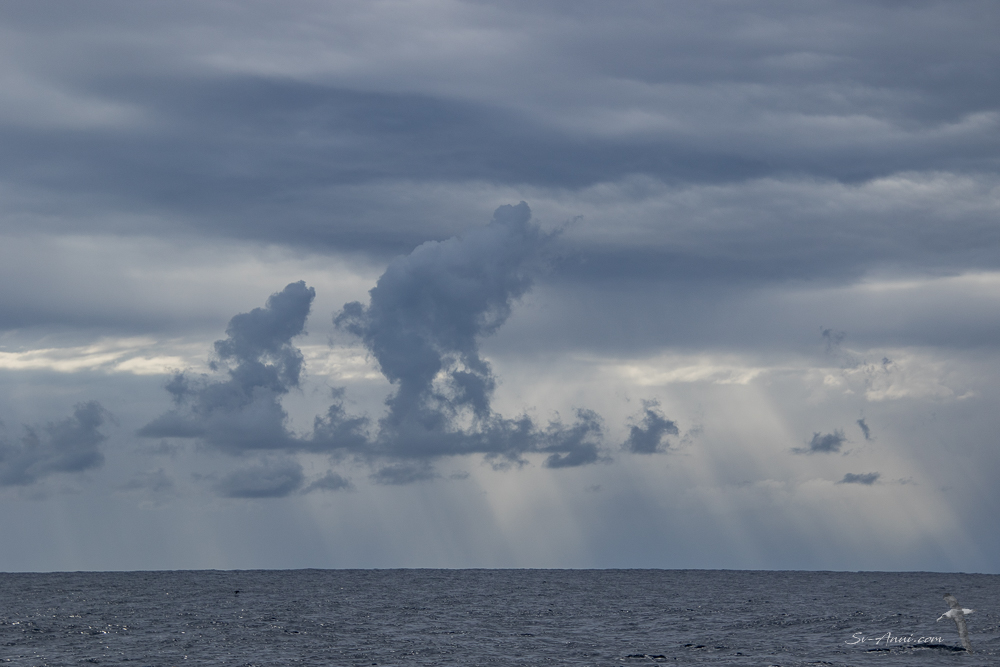
Today as we post this the northerlies are back, stopping us in our track. We are staying put for a couple of days and will do a few errands.
The forecast shows we will be able to resume our northbound voyage on Sunday so not too long to wait. Our current thinking is that we should use every opportunity to progress north while we can, even if it means getting to our destination early. We are due at The Boat Works in Southern QLD for a haulout on 30 November. An out of water survey and valuation is required for Anui’s insurance renewal in mid-December, so we cannot afford to be late. From our Wyndham Harbour starting point we have passed the halfway mark distance wise, more if you also include the Islands trip, and time wise we have been gone for nearly three weeks, with four weeks to go till our Gold Coast commitment, so it is all going well.
Stay tuned for the next episode!


Lots of variety sea wise, weather wise, wind wise and nature wise. Fabulous, if hazardous with the whales but also wonderful. And a couple of maintenance issues thrown in too making it a very interesting trip northwards. Enjoy.
Morning Ann! Yes it has been quite good… minimal hassles, good sails. We are enjoying a it all and it is – touch wood – easier than we imagined.
You’re making good time! Love the photos as always. Hopefully the south easterlies will return by Sunday without any storm fronts.
We’re left Hinchinbrook at sunrise, heading to Beaver Reef and hoping for some more calm weather.
Safe travels ❤️
Thanks Helene, it has been a trouble free run. Might be lucky!
Wow, what a voyage! The photos are so beautiful, you guys are so blessed to see so much beauty daily. I’m glad no contact was made with the Humpbacks! I look forward to the next update, be safe, guys. 👍🏻🇦🇺😎
Thanks John, it has been an enjoyable voyage to date. Let’s hope it continues!
Cheers to that! 👍🏻
You are making good time considering the wind directions. Safe travels.
We have had SW and SE since turning the corner until today. Good to stop and catch our breath for a couple of days. Not sure how far we’ll get on Sunday… maybe Swansea or Newcastle.